2026 Best Printed Circuit Assembly Manufacturers for Buyers
Choosing among the 2026 best printed circuit assembly manufacturers requires more than comparing unit prices. Buyers need evidence that a supplier can turn a stable design into repeatable production. Ask how it controls solder paste, placement accuracy, reflow profiles, inspection, and traceability. A clean sample board is useful. It is not proof of consistent volume performance.
IPC president and CEO John Mitchell has emphasized the role of skilled people and sound processes in electronics manufacturing. A practical buyer’s question follows: “Can this supplier show how it prevents, detects, and corrects assembly defects?” The answer should include concrete records, not polished promises. Look for first-article results, defect data, corrective-action examples, and clear communication when a build changes. Details matter.
Fit also matters. A supplier suited to a short pilot run may not handle a fast ramp smoothly. Another may offer broad capacity but provide less hands-on engineering support. Compare the manufacturer’s experience with your board complexity, component sourcing needs, test requirements, and expected volumes. Visit the production floor when possible. Notice whether work instructions are current and whether operators can explain critical checks. Small clues.
This guide examines manufacturers through practical buyer criteria, including process control, quality systems, engineering support, lead times, and communication. No ranking can replace a factory assessment or a well-defined request for quotation. Supplier claims deserve scrutiny. So do our assumptions: a lower quote may hide extra setup costs, while a prestigious name does not guarantee an easy partnership. The strongest printed circuit assembly choice is the one that can demonstrate capability, explain limitations, and improve with your team.
What Printed Circuit Assembly Manufacturers Do
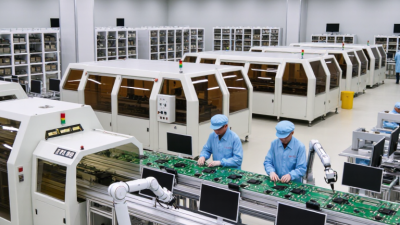
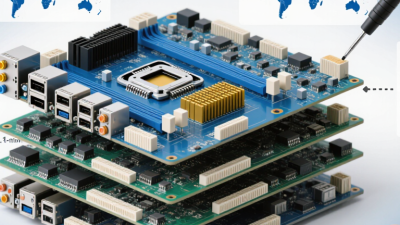
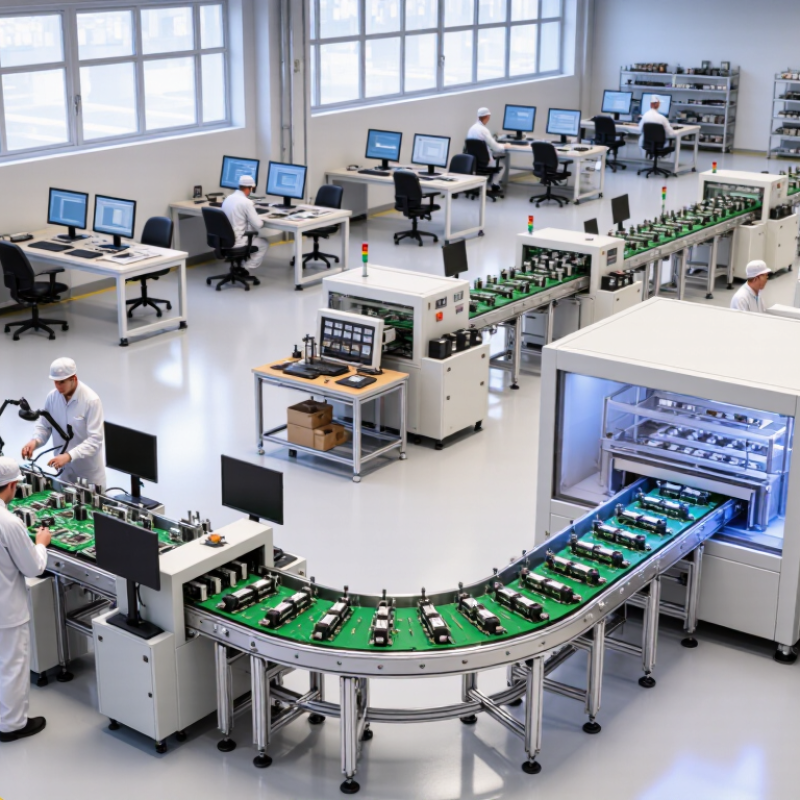
Printed circuit assembly manufacturers turn a bare circuit board into a working electronic assembly. They source components, apply solder paste through a stencil, place parts, and run boards through controlled reflow ovens. Through-hole parts may need wave soldering or hand assembly. Then technicians inspect joints and test the board’s electrical function.
The scale is substantial. The Semiconductor Industry Association’s 2025 Factbook reports global semiconductor sales of $627.6 billion in 2024. WSTS forecast $697.2 billion for 2025 in its November 2024 market forecast; that was a projection, not a confirmed result. More chips mean more varied packages and tighter assembly tolerances. Manufacturers therefore manage component traceability, moisture-sensitive parts, and process settings—not just machines.
Quality work happens in small details. Automated optical inspection checks solder joints; X-ray inspection can reveal hidden connections beneath certain packages. Functional testing then checks whether the assembled product behaves as intended. Small details matter. Buyers should ask about first-article approval, defect tracking, and test coverage, and review sample records when possible. A polished factory tour is useful, but it cannot replace clear process evidence. Even capable suppliers can miss a weak handoff between design files and production; that is worth discussing early.
How Leading Manufacturers Are Evaluated in 2026
In 2026, evaluating a printed circuit assembly manufacturer means looking beyond a polished capability sheet. Buyers should compare documented process controls, engineering support, and consistency across sample and production builds. Ask how design-for-manufacturing feedback is recorded, and whether changes to components or assembly instructions are approved and traceable. Details matter. A clear answer should identify inspection stages, such as solder-paste checks, automated optical inspection, and functional testing where appropriate. Request representative yield and defect data, then ask how corrective actions are verified. One impressive sample is not enough.
Supply-chain discipline deserves equal attention. Check how incoming components are authenticated, stored, and tracked by lot, especially for parts with limited availability. Review the manufacturer’s capacity plan against your expected order volume and delivery schedule. A factory tour or structured audit can reveal practical details: labeled reels, controlled work instructions, and calibration records near inspection equipment. Still, no scorecard is flawless. Buyers may overvalue certificates or equipment lists while overlooking slow engineering responses. Test communication with a real design question, and assess the clarity of the answer. Compare findings across several builds, not just one visit. Small gaps should be recorded, discussed, and weighed against the product’s actual risk.
Capabilities That Distinguish Top Assembly Providers
Choosing a printed circuit assembly provider means looking beyond quoted price and production speed. Strong teams review drawings, bill-of-materials details, and component footprints before boards reach the line. That early check can catch a misplaced connector or an unsuitable pad design while changes remain manageable. Good engineering support is practical, not theatrical.
Production capability matters too. A capable facility can handle surface-mount, through-hole, and mixed-technology assemblies, with processes suited to prototype runs and repeat orders. Automated optical inspection helps identify placement and soldering issues; X-ray inspection can reveal hidden joints beneath fine-pitch components. Test options should match the product, from in-circuit checks to functional testing. Ask how defects are recorded and how corrective actions are verified. Details matter.
Reliable assembly also depends on material control and clear communication. Buyers should ask how incoming parts are checked, how lot numbers are tracked, and how substitutions are approved. These routines become important when a component is delayed or a revision changes mid-build. Still, no process is perfect. Mistakes still happen, and a polished capability list cannot prove consistent execution. Request sample inspection records, discuss a real production scenario, and notice whether answers include limits as well as strengths. A provider that admits where a process needs review may be more useful than one promising flawless results.
2026 Best Printed Circuit Assembly Manufacturers for Buyers
Assembly-process reference: melting temperatures of common solder alloys. These material benchmarks are not manufacturer rankings.
Sn63Pb37 melts at 183°C; SAC305 has a 217–220°C melting range, shown at its 218.5°C midpoint; and Sn99.3Cu0.7 melts at approximately 227°C. Buyers can use these values as context when discussing alloy selection and reflow-process control with assembly providers.
How Buyers Compare Manufacturers, Costs, and Quality
Choosing a printed circuit assembly manufacturer is less about finding the lowest quote than understanding what it includes. Compare quotes against the same bill of materials, board revision, annual volume, and delivery schedule. A price may exclude programming, test fixtures, or special packaging. Ask whether setup charges and component sourcing are listed separately. Small details change the real cost.
Quality is easier to judge when a manufacturer explains its process with evidence. Ask how it controls solder paste, placement accuracy, reflow profiles, and inspection records. For example, a clear inspection plan should state whether assemblies receive automated optical inspection, electrical testing, or both. Ask for evidence. Review sample reports and confirm that lot numbers connect finished boards to production records. A polished sales response is not a substitute for traceable data.
Capacity also needs careful comparison. A factory may handle prototypes well but struggle when orders grow or components become difficult to source. Discuss expected lead times, approved substitutes, defect reporting, and how engineering changes are reviewed. That matters. Request a pilot build before committing to a large run, then check fit, solder joints, and test results against agreed criteria. Price still matters, of course, but an unusually low quote deserves questions. Buyers can overlook freight, rework, or delays when comparing only the unit price. There is no perfect scorecard; document what matters most and revisit assumptions as the design changes.
Steps for Choosing the Right Assembly Partner
Choosing a printed circuit assembly partner starts with the board’s real demands: component availability, layer count, tolerances, and expected volume. Ask how the manufacturer handles engineering reviews, incoming inspection, solder-paste control, and automated optical inspection. Request a sample build and traceability records, not just a polished capability sheet. For reference, Deloitte’s 2024 Manufacturing Industry Outlook reports that 86% of surveyed executives expect smart factory solutions to drive competitiveness within five years. Buyers can use that signal to ask how production data supports defect analysis and process improvement. Fancy dashboards are not proof of quality.
Tips: Compare partners using the same RFQ, drawings, and acceptance criteria. Check whether they can document process controls and explain how they respond to yield changes. Verify certifications against the work you need, and review a recent quality report. Ask who owns component substitutions. Get the answer in writing.
A site visit can reveal practical details: labeled material reels, ESD controls, clean workstations, and clear rework records. Discuss forecast changes and lead-time assumptions before placing a production order. Then check references from customers with similar product complexity. Small-volume builds may expose different weaknesses than high-volume runs. No scorecard catches everything; one overlooked assumption can still cause delays. Consider how the partner communicates when something goes wrong, not only when production is on schedule.