
A stalled mower, a distant generator, or equipment waiting at the edge of a worksite can make fuel runs inconvenient. A Fuel Gas Caddy offers a practical way to store and move fuel for compatible equipment. It can reduce repeated trips and keep refueling supplies organized. That matters.
The right model depends on the fuel type, the equipment being served, and how much fuel you need to move. Check the caddy’s rated capacity, material compatibility, closures, wheels, and dispensing method before choosing one. A sturdy handle and stable wheels may seem minor until the caddy crosses uneven ground. Then they matter a lot.
A caddy does not remove the need for careful handling. Follow the manufacturer’s instructions, inspect hoses and seals for wear, and use the unit only in a suitable, well-ventilated area away from ignition sources. Keep it secured during transport and stored as directed. Avoid overfilling; leave room as the manufacturer specifies. Simple checks can prevent leaks and messy spills.
It is easy to assume that any container will do. That assumption deserves a second look. Fuel type and equipment design affect compatibility, so confirm both before transferring fuel. A Fuel Gas Caddy can make routine work smoother, but only when its features match the job and its condition is maintained. Convenience is useful. Care still comes first.
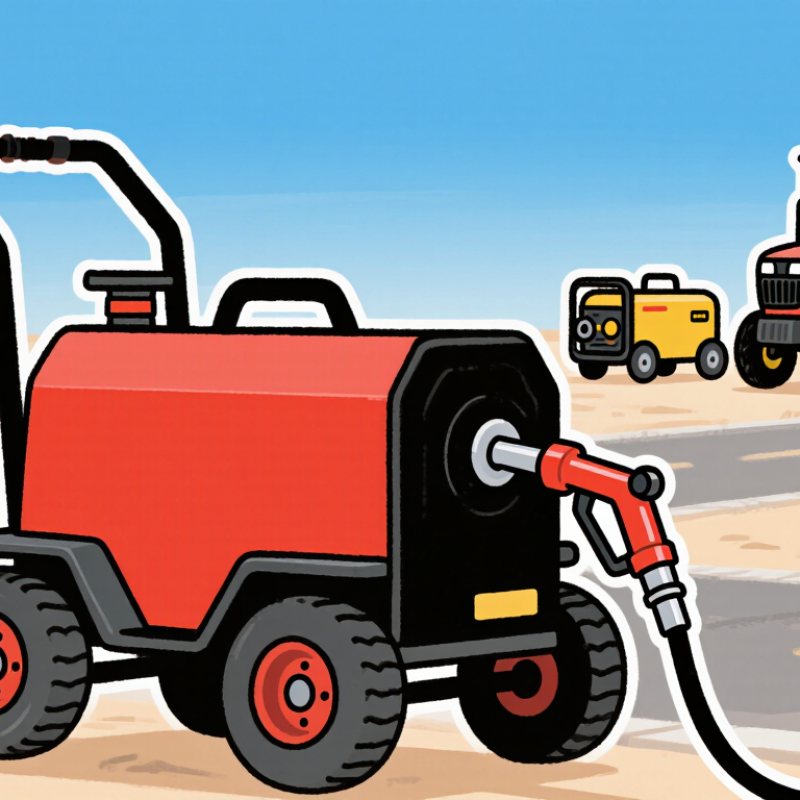
A fuel gas caddy is a mobile container designed to store and transfer fuel. Most models combine a sturdy tank, wheels, a handle, and a hose with a manual or powered pump. The operator moves the caddy near equipment, secures it on a stable surface, then transfers fuel through the hose and nozzle. Simple in concept. The exact steps vary by design.
A caddy can reduce repeated trips with small containers and bring fuel closer to generators, mowers, or machinery. It also helps control the transfer rate, which matters when filling a tank with a narrow opening.
Check its fuel rating, inspect hoses and seals, and follow the manufacturer’s operating instructions.
There is a trade-off. A wheeled tank is easier to move, but it still needs secure positioning and careful handling; a pump does not remove spill risks. Keep the nozzle attended, avoid overfilling, and use the caddy only in a suitable, ventilated work area. One small inconvenience: hoses can retain fuel after use, so storage needs thought too. A little planning helps.
A fuel caddy makes moving fuel less awkward, especially when equipment is parked far from a storage area. Its wheels carry the weight, so you do not have to lift a full container across a yard or workshop. Less lifting. A hose and pump can also help direct fuel into a tank with fewer spills than pouring from a small portable can. Keep the caddy on stable ground while dispensing, and follow its instructions for the correct pump and fuel type.
In practice, the difficult part is often the last few feet: a narrow doorway, uneven gravel, or a machine with a hard-to-reach filler neck. A caddy cannot solve every layout problem, and a full unit may still feel heavy to steer. Check the hose, cap, and connections for wear before use, and keep the caddy upright and secured during transport. Refuel outdoors, with the engine off and cool, and avoid filling beyond the equipment’s recommended level. Those small checks make routine fuel handling more controlled and predictable.
Fuel gas caddies are most useful where equipment cannot conveniently reach a fixed fuel source. On farms, a caddy can bring approved fuel to a tractor or mower parked beside a field, reducing repeated trips across long driveways. Landscaping crews may keep one near a work area to refuel several small machines during a shift.
That saves time. It also reduces the need to carry separate cans, though the caddy still requires careful handling.
They can help in maintenance yards, equipment sheds, and remote sites running portable generators. A wheeled model works well on smooth concrete, while rough gravel can make even a sturdy unit awkward to move.
Keep it upright and use it only for the fuel type and capacity specified by its manufacturer. Refuel outdoors or in a well-ventilated area, away from ignition sources. Check hoses, caps, and wheels before moving it.
Small leaks matter.
For one lawn mower at home, a caddy may be more equipment than necessary; its value depends on how often fuel must travel and how much the site layout slows the work. Sometimes, a smaller approved container is simpler.
A well-chosen fuel caddy makes equipment refueling more controlled and reduces repeated trips with small containers. Start with capacity: choose enough for your workday, but not so much that the loaded unit becomes difficult to steer. Check that the tank material suits the fuel, and look for a secure cap, a clear level indicator, and a hose that resists kinking. The pump should deliver smoothly, while wide wheels and a stable base help on gravel or uneven workshop floors. Small details matter. The NIOSH Pocket Guide to Chemical Hazards lists gasoline’s lower explosive limit as 1.4% and its flash point as -45°F, underscoring why sealed connections and careful handling matter.
Tips: Before buying, measure the space where the caddy will be stored and check the hose reach at your equipment. Test the handle and pump when the unit is full, if possible. A convenient empty caddy can feel very different when loaded.
Also consider brakes or wheel locks, readable fuel markings, and parts that are easy to inspect for leaks or wear. Confirm the unit is designed for your intended fuel and follow its operating instructions. Avoid choosing by tank size alone; a heavy caddy that cannot pass through a doorway may be less useful than a smaller one. It is easy to overlook that. Keep the route to the equipment clear, and inspect the hose, seals, and wheels regularly.
Why Do You Need a Fuel Gas Caddy?
A fuel gas caddy can make moving fuel easier, but safe storage matters more than convenience. Choose a caddy designed and labeled for the fuel you intend to store. Before use, check the tank, cap, hose, and fittings for cracks, leaks, or fuel odor. Keep it upright and secured during transport. Store it in a cool, well-ventilated place, away from heat, sparks, living areas, and drains. Keep the cap closed. No shortcuts.
Dispense outdoors, on stable ground, and follow the caddy maker’s instructions. Keep fuel away from hot engines, and never overfill the container; leave room as directed for expansion. If a fitting is damp or the caddy is damaged, stop using it. A little fuss is useful. NFPA’s Flammable and Combustible Liquid Fires report found an average of 5,020 U.S. home-structure fires involving these liquids each year from 2015 to 2019, with 43 deaths annually. Those figures make routine checks worthwhile, even when a caddy looks fine at a glance.
| Topic | Typical Details | Why It Matters | Safe Practice |
|---|---|---|---|
| Purpose | A fuel caddy stores and moves fuel to equipment such as lawn mowers, generators, boats, or off-road machinery. | It can reduce repeated trips with smaller containers and make fuel handling more organized. | Choose a caddy designed and labeled for the specific fuel type and intended use. |
| Capacity | Portable fuel containers commonly hold a few gallons; wheeled transfer caddies are available in larger capacities, which vary by model. | A larger capacity can reduce refilling trips, but a full caddy can be heavy and harder to control. | Check the rated capacity and filled weight. Do not exceed the marked fill limit or applicable local requirements. |
| Storage location | Gasoline should be kept in an approved, closed container in a cool, well-ventilated place away from living areas. | Gasoline vapors are flammable and can travel to an ignition source. | Keep the caddy away from flames, sparks, heaters, and hot surfaces. Follow local fire and storage rules. |
| Filling | Fuel should be added outdoors, with the caddy stable and its opening positioned to limit splashing. | Outdoor filling helps reduce exposure to vapors and lowers the chance of ignition in enclosed spaces. | Turn off engines and other ignition sources. Do not smoke, overfill, or leave filling unattended. |
| Fuel transfer | Transfer methods may include a spout, hose, or pump, depending on the caddy design. | A suitable transfer method can help control flow and reduce spills. | Follow the caddy instructions. Keep the receiving equipment stable, and never transfer fuel into a running or hot engine. |
| Inspection and upkeep | Check the tank, cap, seals, hose, valves, wheels, and pump (if fitted) for damage or leaks. | Worn or damaged parts can allow fuel or vapors to escape and make the caddy difficult to handle. | Do not use a leaking or damaged caddy. Keep closures secure and clean up spills promptly using appropriate procedures. |
| Spill response | A spill requires immediate attention because gasoline is highly flammable. | Prompt, careful action helps limit fire risk and prevent fuel from entering drains or soil. | Remove ignition sources, keep people away, and follow local spill-response guidance. Never wash fuel into a drain. |
