Why Do You Need a CO Alarm for Your Home Safety?
A CO alarm is a critical device for home safety. Carbon monoxide (CO) is a colorless and odorless gas. It can lead to severe health risks, yet many households underestimate its danger. CO can accumulate from faulty heating systems, stoves, or fireplaces. Without a functioning CO alarm, families may unknowingly be exposed to this silent threat.
Having a CO alarm installed provides peace of mind. It serves as an early warning system, alerting occupants to dangerous levels of CO. This can be the difference between life and death. Knowing how to respond when an alarm sounds is essential. Taking a few moments to develop a plan can save lives. Regular maintenance of these alarms is also crucial; they require periodic testing and battery changes.
Despite the availability of CO alarms, many homes lack this essential safety feature. Some individuals may feel safe or believe the risk is low. However, the truth is that CO poisoning can happen to anyone. Ignoring this issue can lead to tragic consequences. Investing in a CO alarm is a small step that offers significant protection for your loved ones.
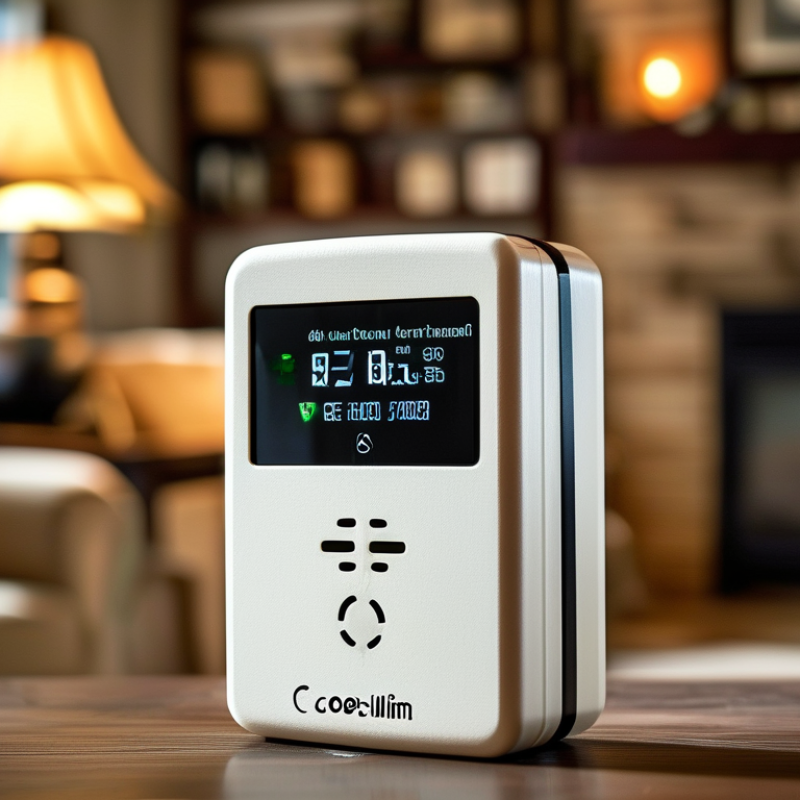
Importance of CO Alarms in Home Safety: Key Statistics
Carbon monoxide (CO) is a silent killer. It is colorless and odorless, making it particularly dangerous. In households where gas appliances are common, the risk of CO poisoning increases significantly. Statistics show that over 400 people in the U.S. die each year from CO poisoning. Many of these incidents could be easily prevented with the use of CO alarms.
Proper installation of CO alarms can save lives. They should be positioned near sleeping areas, where they can wake you if CO levels rise. Regular maintenance is key. Test your alarms monthly and change the batteries at least once a year. Inadequate attention to these devices can lead to devastating consequences. People often underestimate the importance of these alarms.
Consider this: a simple beep from a CO alarm could alert you to a deadly situation. Yet, many people ignore alarm signals. The reality is that awareness plays a critical role in home safety. Every home should have at least one CO alarm. This precaution can mean the difference between life and death. Making safe choices about CO monitoring is essential for every family.
Importance of CO Alarms in Home Safety: Key Statistics
This bar chart illustrates the importance of CO alarms in enhancing home safety. It highlights the difference in incidents between homes with and without CO alarms, showcasing that having a CO alarm significantly decreases the number of carbon monoxide poisoning incidents and increases survival rates.
Understanding Carbon Monoxide: Sources and Risks of Exposure
Carbon monoxide (CO) is a silent killer often produced by everyday household appliances. Sources include gas stoves, water heaters, and fireplaces. The American Lung Association states that about 400 people die each year in the U.S. from unintentional CO poisoning. This colorless, odorless gas can lead to serious health risks. Even low levels of exposure can cause headaches or dizziness, while higher levels may result in unconsciousness or death.
A report from the Centers for Disease Control and Prevention highlights that CO poisoning is mostly preventable. Many people are unaware of its presence until symptoms appear. Proper ventilation of appliances and regular maintenance checks can reduce risks significantly. The National Fire Protection Association recommends installing CO alarms outside sleeping areas. These devices can provide an early warning and potentially save lives.
Despite these recommendations, research reveals that many households neglect CO alarms. Lack of awareness may contribute to this oversight. Education about the dangers of carbon monoxide and the importance of alarms is crucial. Many people still underestimate the risks, which can be fatal. Making informed choices can enhance home safety effectively.
How CO Alarms Work: Technologies and Detection Mechanisms
Carbon monoxide (CO) alarms are essential for home safety. These devices work by detecting this colorless, odorless gas that can silently enter your living space. CO is often produced by faulty or unventilated appliances. A report from the Centers for Disease Control and Prevention (CDC) states that CO poisoning results in over 400 deaths annually in the United States. This statistic highlights the significant risk posed by this dangerous gas.
Various technologies are employed in CO alarms. Electrochemical sensors are common due to their high accuracy and reliability. They respond to low levels of CO and can detect changes in concentration quickly. Another technology, called biomimetic sensors, uses a gel that changes color when CO is present. This method provides a visual indication of danger. However, the effectiveness can be compromised by factors like temperature and humidity. An effective CO alarm should be regularly tested and maintained to ensure proper functionality.
It's crucial to recognize that alarms can fail. A study from the National Fire Protection Association indicates that nearly 25% of homes do not have working CO detectors. This gap is alarming, as many homeowners underestimate the risks associated with CO exposure. Regular inspections and awareness can prevent tragic outcomes and ensure that families stay protected. The presence of functioning CO alarms can save lives, but consistent upkeep and knowledge are vital for safety.
Recent Data on CO Poisoning Incidents: Trends and Prevention
Carbon monoxide (CO) poisoning is a silent threat in many homes. The Centers for Disease Control and Prevention (CDC) reports approximately 50,000 emergency department visits annually due to unintentional CO exposure. Recent studies highlight an increase in CO poisoning incidents, especially during winter. Poor ventilation and malfunctioning heating equipment are key contributors. Understanding these risks is vital for prevention.
Installing a CO alarm can significantly enhance your safety. These devices provide an early warning when CO levels rise. According to the National Fire Protection Association, homes without CO alarms are at higher risk. Regular monitoring of alarm batteries and positioning alarms near sleeping areas is crucial.
Educating yourself and your family about CO poisoning is equally essential. Symptoms like headaches, dizziness, and nausea can escalate quickly. Cooking indoors with gas or charcoal increases the risk. Open windows for ventilation when using such appliances. Always ensure that your heating systems are professionally inspected yearly.
Regulatory Standards for CO Alarms in Residential Settings
Installing a carbon monoxide (CO) alarm is vital for every home. Exposure to CO can be deadly. People can unknowingly inhale this gas from malfunctioning appliances or vehicles. Therefore, regulatory standards for CO alarms help ensure safe living environments. These standards vary by region, but they generally establish guidelines for alarm placement and maintenance.
Regulations typically require that CO alarms be installed outside sleeping areas. They may also mandate that these devices meet specific safety certifications. In some areas, alarms must sound an alert at certain CO concentration levels. It’s crucial to regularly test alarms and replace batteries as needed. Compliance with these regulations can prevent tragic incidents.
However, many homeowners overlook the importance of maintaining CO alarms. Some may not check the expiration dates. Others might disable alarms during renovations. Neglecting these aspects can lead to dreadful consequences. Regular education about CO safety is necessary. Homeowners should be aware of the signs of CO exposure, such as headaches or dizziness. Empowering residents with this knowledge can enhance community safety.