
Why Choose Exterior Doors for Your Home?

Exterior Doors do more than mark the way into a home. A solid, well-fitted door can soften street noise, help limit drafts, and make a front entry feel secure. Picture a cold morning: the hallway stays comfortable, and the door closes without rattling in its frame. Small details matter. But the door itself is only part of the result; weatherstripping, hinges, the frame, and careful installation all count.

There is financial evidence, though it needs context. Zonda’s 2024 Cost vs. Value report estimated that a steel entry-door replacement recouped 188.1% of its project cost at resale, based on national averages. That is real value. It is not a promise: local prices, door choice, and workmanship can change the outcome. For building-science perspective, Joseph Lstiburek of Building Science Corporation is often associated with the reminder, “A building is a system.” An exterior door performs best when it works with the surrounding wall and its weather barrier.

Choosing a door, then, means weighing appearance alongside durability, insulation, security features, and upkeep. A glazed design may brighten a dim entry, while a plain insulated slab may better suit a busy household. Not always. A high price does not guarantee a better fit, and even an attractive door can disappoint if installed poorly. The useful question is simple: which door suits your climate, home, and daily routine?
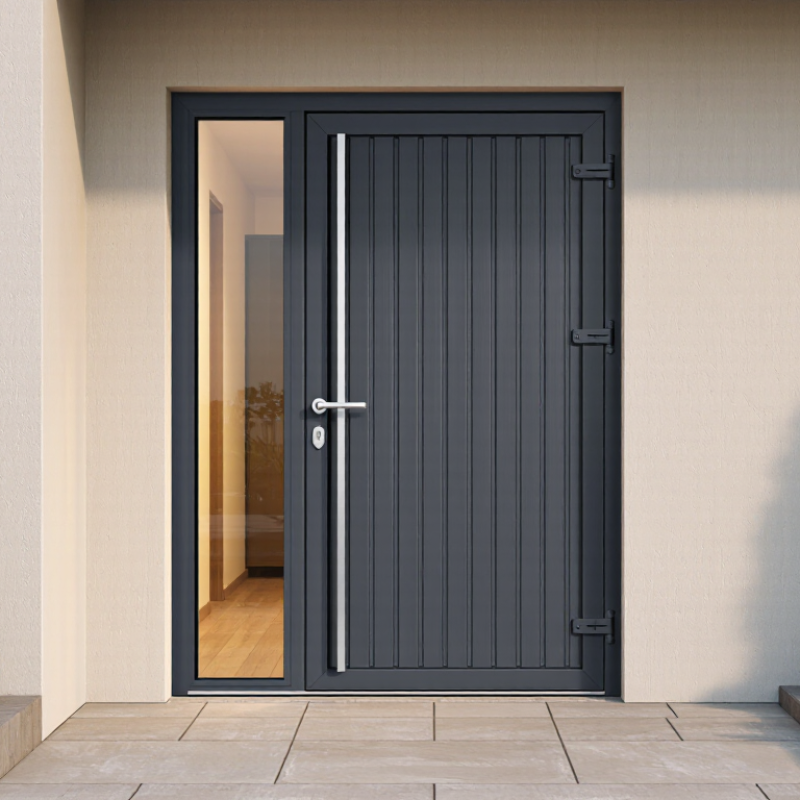
Why Choose Exterior Doors for Your Home?

What Exterior Doors Are and How They Function

An exterior door is the movable barrier between your home and the outdoors. It includes more than the door slab: the frame, hinges, threshold, lock, and weather seals all contribute to how it works. Together, these parts help control entry, reduce drafts, and limit rain or dust coming inside. A tight-fitting door can also support indoor comfort, though results depend on its condition and installation.

The door opens for people and closes to create a boundary. Its lock helps restrict access, while the threshold and seals meet the floor and frame to close small gaps. On a windy day, you may notice a loose seal through a faint whistle or a strip of cool air near the latch. A door is not a complete sound or weather barrier, and worn parts can weaken its performance. That detail is easy to overlook.

Tips: Check that the door swings freely and latches without force. Look for cracked seals, daylight around the frame, or moisture near the threshold. Keep hinges and moving parts in good condition. If drafts persist, inspect the frame and seals before assuming the door itself needs replacement. A quick check can reveal a small issue, but it may not explain every source of heat loss.

Common Exterior Door Materials and Styles

I used to judge an entry door by color alone. That was too shallow. Material affects upkeep, weather resistance, and how a door feels in daily use. Fiberglass resists moisture and needs relatively little maintenance, while wood offers natural grain but may need periodic refinishing. Steel is sturdy and often cost-conscious, though scratches can expose it to rust. Quality varies, so check the frame, seals, and finish—not just the door slab.

Style shapes both curb appeal and daylight. Classic raised-panel doors suit traditional facades; flush designs look cleaner on modern homes. A glazed upper panel or narrow sidelights can brighten a dim hallway, but consider privacy and afternoon sun. Look for insulated glazing and compare energy ratings. The U.S. Department of Energy recommends checking a door’s U-factor and air leakage rating when evaluating efficiency. A snug installation matters, too. Even a well-rated door can feel drafty if its weatherstripping is poorly fitted.

Budget estimates offer useful context, not guarantees. Zonda’s 2024 Cost vs. Value Report estimated that a U.S. steel entry-door replacement cost about $2,355 and added $4,430 in resale value, an estimated 188.1% cost recouped. Those figures are national averages, not a promise for every house or market. Measure the opening carefully, and match the door’s swing, threshold, and hardware to how your household actually uses the entrance.

Why Choose Exterior Doors for Your Home? — Common Exterior Door Materials and Styles

Material or Style Typical Construction Key Advantages Considerations Common Style Options Often Suited To
Fiberglass Molded fiberglass skin over an insulated core, commonly polyurethane foam. Good insulation potential; resists rust and rot; can be textured or finished to resemble wood grain. Quality and performance vary by construction. The surface can be damaged by a hard impact, and repairs may be less straightforward than repainting wood. Traditional panel, contemporary flush, and wood-look designs; available with or without glass inserts. Homeowners seeking a balance of insulation, low maintenance, and varied appearance.
Steel Steel outer skins over a foam-insulated core; many residential doors include a wood frame around the perimeter. Typically strong and stable; insulated models can help reduce heat transfer; usually requires little routine maintenance. Dents may be difficult to remove. Scratches that expose the metal should be repaired to help prevent corrosion; steel can conduct heat. Flush, raised-panel, and glazed designs, usually with painted finishes. Entrances where durability and practical upkeep are priorities.
Wood Solid wood or engineered wood construction, sometimes made with a wood veneer over a core. Natural grain and warmth; can be stained or painted; offers many custom sizes and designs. Needs periodic inspection and finish maintenance. Exposure to moisture and temperature changes can contribute to swelling, shrinking, or warping. Traditional panel, craftsman, cottage, and custom-carved designs; often paired with decorative glass. Homes where natural character, custom detailing, or architectural fit is especially important.
Aluminum Metal door and frame, often with a thermal break and an insulated core in residential models. Does not rust like steel; relatively lightweight; supports clean, narrow-frame designs and large glass areas. Thermal performance depends on the door’s insulation and thermal-break design. Surface finishes can be scratched or dented. Modern, minimalist, and glass-forward designs, including full-view configurations. Contemporary homes and entrances designed to bring in more daylight.
Glass-panel door A door with one or more glass sections, set in a frame made from materials such as fiberglass, steel, wood, or aluminum. Brings natural light into entry areas; glass choices include clear, textured, tinted, and privacy glazing. Privacy, heat gain or loss, and safety depend on glass type, glazing construction, orientation, and installation. More glass generally means less visual privacy. Full-view, half-glass, sidelights, and decorative divided-lite designs. Entrances where daylight and visibility are desired, with glazing selected for the home’s climate and privacy needs.
Solid-panel door A door with a mostly opaque face, made from an insulated or solid construction depending on the material. Offers a more private appearance and can limit direct views into the home; available across a range of materials and finishes. Provides less natural light than a glazed design. Energy performance depends on the complete door assembly, including its seals and installation. Flat-panel, raised-panel, craftsman, and contemporary flush designs. Entrances where privacy, a simple appearance, or reduced glass area is preferred.
Double-entry door Two side-by-side door leaves, usually with one active leaf and one secured leaf. Creates a broad opening for moving large items and makes a prominent architectural statement. Requires more wall space and careful alignment and weather-sealing. The opening and hardware need to be planned for the home’s structure and use. Matched panel pairs, glazed pairs, and combinations of solid and glass panels. Wide entry openings and homes where a formal or symmetrical entrance is desired.

Selection note: A door’s overall performance depends on more than its material. Check the complete unit’s insulation rating, weather seals, glazing, frame, threshold, installation, and suitability for the local climate.

How Exterior Doors Improve Security and Energy Efficiency

Why Choose Exterior Doors for Your Home?

How Exterior Doors Improve Security and Energy Efficiency

An exterior door is a working part of your home’s security and comfort. A sturdy frame, properly fitted hinges, and a quality deadbolt can make forced entry harder. A reinforced strike plate secured to the framing helps, too. That matters. But no door can compensate for a loose frame or neglected lock.

For energy efficiency, look for an insulated door with continuous weatherstripping and a snug threshold. On a cold day, run your hand around the closed door; a noticeable draft may point to worn seals or poor alignment. Small gaps count. If the door includes glass, well-sealed insulated panes can help limit heat transfer while still bringing in daylight.

Installation deserves as much attention as the door itself. Even a well-insulated model may leak air if it sits unevenly or the perimeter is poorly sealed. Check seals seasonally, especially after harsh weather, and adjust the threshold only as needed. I used to think a heavier door automatically meant a warmer, safer entry. It does not; fit and upkeep can matter just as much.

Factors to Consider When Choosing an Exterior Door

Why Choose Exterior Doors for Your Home?

Factors to Consider When Choosing an Exterior Door

The right exterior door must suit your climate, entryway, and daily routine. Start with the opening’s exact width, height, and depth; even a small mismatch can cause drafts or a sticky latch. Consider material, too. Fiberglass resists moisture and needs little upkeep, while steel offers a sturdy feel but may dent. Wood brings warmth, though it needs regular care, especially where rain reaches the threshold. Fit matters.

Check the door’s energy label rather than relying on material alone. The National Fenestration Rating Council provides verified ratings such as U-factor, which indicates heat transfer. Also inspect weatherstripping, the sill, and the frame; a well-rated slab can still leak if poorly installed. A 2024 Zonda Cost vs. Value report estimated that steel entry-door replacement recouped 188.1% of its cost nationally. That figure is an average, not a promise, and local prices can differ. Security hardware, glass placement, and how the door swings should match the home’s layout.

Tips: On a windy or rainy day, feel around the closed door for air or moisture. Ask installers how they will seal the frame and manage drainage. I once overlooked the threshold height; that small detail can make a beautiful door awkward to use.

Installation and Maintenance for Long-Term Performance

Why Choose Exterior Doors for Your Home?
Installation and Maintenance for Long-Term Performance

A well-fitted exterior door should close without force, sit evenly in its frame, and keep daylight from showing around its edges. Installation matters as much as the door itself. A twisted frame or compressed weatherstripping can create drafts, admit moisture, and make a latch unreliable. The U.S. Department of Energy’s Energy Saver guidance estimates that heating and cooling account for about 43% of home utility bills. That figure covers the whole home, not doors alone, but it shows why sealing gaps deserves attention. Check the threshold, jambs, and perimeter seal after installation, especially where wind-driven rain hits. Small details matter.

Maintenance is simple, but easy to postpone. Inspect weatherstripping each season for cracks, flattened areas, or sections pulling loose. Clean tracks and hinges; tighten loose screws before they enlarge their holes. Use the National Fenestration Rating Council label to compare tested U-factor and solar heat gain values when selecting a replacement. These ratings help, but they cannot compensate for poor installation. A door can still stick when humidity shifts, so recheck its swing after seasonal changes. Not glamorous, but useful. If water stains or persistent drafts return after basic adjustments, have a qualified installer inspect the sill and flashing. A quick caulk patch may hide the symptom while leaving the cause untouched.