What Is a Waterproof Eyeliner Gel Pencil?
A Waterproof Eyeliner Gel Pencil combines the easy handling of a pencil with a creamy, gel-like formula designed to resist moisture. It can draw a soft line along the lash roots or build into a sharper shape. The texture often feels smooth at first. Then it sets.
“Waterproof” sounds absolute, but it isn’t. Wear can vary with the formula, eyelid oils, humidity, and how the product is applied. A line that holds through a damp commute may still smudge after rubbing or require a dedicated remover. Small details matter: a freshly sharpened tip gives a fine line, while a blunter tip leaves a wider, softer mark. The label alone cannot tell you everything.
The category sits within a larger, fast-moving beauty market. McKinsey estimated that the global beauty market reached about $430 billion in 2022 and projected it could reach $580 billion by 2027. That report covers beauty broadly, not waterproof eyeliner specifically, so it provides context rather than proof of a particular pencil’s performance. Here, we’ll look at what gel pencil formulas are, how water resistance differs from long wear, and what to check before choosing one. The practical test is simple: does it apply comfortably, stay where you want it, and come off without excessive rubbing? Something to consider.
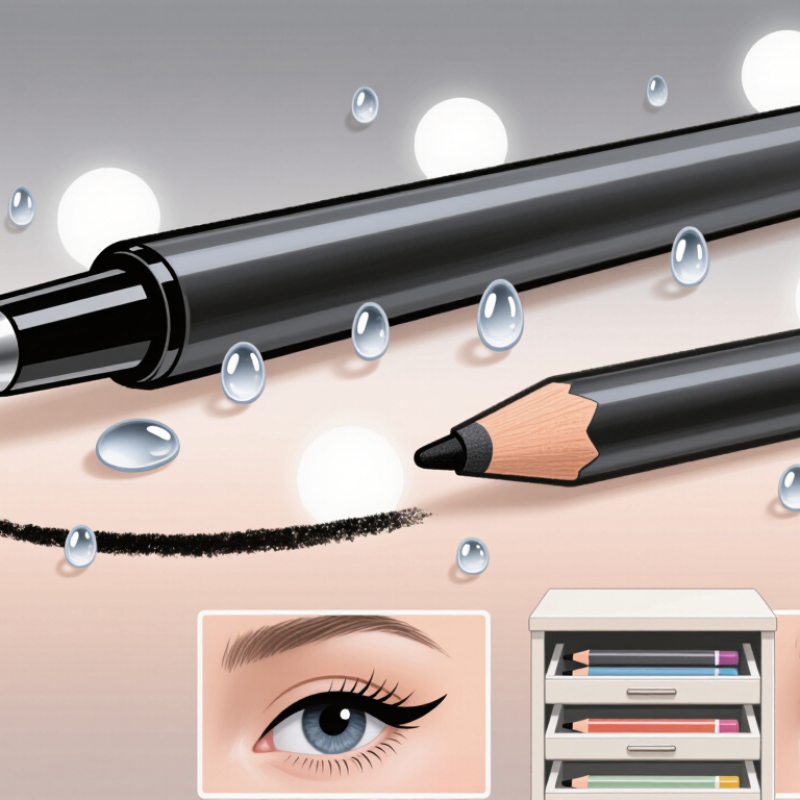
Definition and Key Features of a Waterproof Eyeliner Gel Pencil
A waterproof eyeliner gel pencil is a pencil-format eye liner with a creamy, gel-like texture and a formula designed to resist water and smudging. It usually applies more smoothly than a firm traditional pencil, while offering stronger color than many soft kohl liners. The exact feel depends on the formula. Some glide on easily; others need a little pressure.
Key features include rich pigment, controlled application, and time to set. The pointed tip can draw a fine line along the lashes, while a softer edge can be gently blended before the product dries. Once set, the liner is intended to hold up through moisture, humidity, or watery eyes. Waterproof does not mean identical wear for everyone. Skin type, eye shape, and application all affect how long it stays neat.
A practical test is to draw a short line on clean, dry skin and wait before touching it. Let it set. If it transfers, use a thinner layer or allow more drying time. Avoid applying pressure near the eye, and stop if irritation occurs. Removal may take a gentle oil-based cleanser and a soft cotton pad; rubbing can leave the delicate skin feeling sore.
How Its Gel Formula Resists Water and Smudging
What Is a Waterproof Eyeliner Gel Pencil?
A gel pencil glides like a soft cream, then sets into a thin film. Its pigments create the line; waxes, oils, and film-forming polymers help the color grip the skin. Water resistance comes from that dried film slowing water from disturbing the pigment. Smudge resistance is related, but not identical: rubbing, oily lids, and excess product can still break the line. “Waterproof” is not a promise of perfect wear in every condition.
A useful technical distinction: ISO 11930:2019 describes a preservative-efficacy test that runs for 28 days. It checks a cosmetic’s protection against microbial growth, not eyeliner’s resistance to water or smudging. So a preservation result cannot verify a wear claim. Look for product-specific wear-test details, and treat broad claims with care. In real use, a thin line usually sets more evenly than a thick, creamy layer. The inner eye area can also stay damp, making lasting wear harder.
Tips: Apply to clean, dry skin, then give the line time to set before blinking or layering. If it transfers, use less. A small gap in the line may happen; touch it up rather than rubbing the whole edge.
How It Differs from Liquid, Pencil, and Kohl Eyeliners
A waterproof eyeliner gel pencil combines a creamy, gel-like formula with a pencil-shaped applicator. It usually glides more smoothly than a traditional wax pencil and offers more control than a liquid liner. Liquid formulas can create crisp, graphic lines, but a quick-drying film may be harder to correct. A soft kohl liner is made for diffused, smudged definition; its texture can feel less precise for a fine wing. Not identical, though: “kohl” can describe different products and traditions, so check the formula and intended use.
Waterproof describes wear performance, not a guarantee against every tear, oily lid, or long day. Some gel pencils set after application, so blend promptly; once set, they may need an oil-based remover. That trade-off matters. Grand View Research estimated the global eyeliner market at USD 3.5 billion in 2023, reflecting broad demand rather than proving one format performs best. For a close line, try a short stroke between lashes, then compare how comfortably it wears and removes on your own skin. A small caveat: packaging claims alone cannot tell you how a formula will behave on your eyelids.
How to Apply It for Precise, Long-Lasting Definition
A waterproof eyeliner gel pencil combines the easy control of a pencil with a creamy, gel-like glide. It can draw a crisp line without the tugging some drier pencils cause. “Waterproof” describes resistance to moisture, not a guarantee against every smudge. Oily lids, watery eyes, and rubbing can still affect wear. Small details matter.
Start with clean, dry eyelids. If your lids become oily, a light dusting of setting powder can help create a more even surface. Rest your elbow on a table, look slightly downward into a mirror, and draw short strokes close to the lashes. Connect them gently rather than pulling one long line. For a wing, place a small guide mark near the outer corner, then join it to the lash line. Keep the first layer thin. Less is steadier.
Give the liner a brief moment to set before blinking fully or adding another layer. If you want a softer edge, blend it quickly; gel formulas can become harder to move as they dry. I sometimes make one eye thicker than the other, even with a careful hand. A cotton swab can tidy the edge, though repeated rubbing may disturb nearby makeup. Remove the liner gently with an eye-safe cleanser, especially along the lashes.
What Is a Waterproof Eyeliner Gel Pencil? - How to Apply It for Precise, Long-Lasting Definition
| Topic | Practical Guidance | Precision and Wear Tips |
| What it is | A creamy, pencil-format eyeliner designed to glide on like a gel and set to resist moisture and smudging. | “Waterproof” describes water resistance, not guaranteed transfer-proof wear in every condition. |
| Before application | Start with clean, dry eyelids. If using eye cream or moisturizer, allow it to absorb before applying liner. | Excess oil or moisture can make it harder for eyeliner to adhere evenly. |
| Prepare the pencil | For a sharpenable pencil, sharpen to a smooth point. For a twist-up pencil, expose only a small amount of product. | A fine tip helps create a narrow line; a slightly rounded tip can feel more comfortable along the lash line. |
| Apply along the lashes | Look slightly downward into a mirror and draw short, light strokes close to the upper lash roots, working from the outer corner inward. | Connect the strokes gradually instead of trying to draw one long line at once. |
| Build definition | For a fuller look, add another thin layer after the first pass. Keep the line slim near the inner corner and widen it gradually toward the outer corner if desired. | Small, controlled layers are easier to refine than a thick line applied all at once. |
| Set time | Let the line dry before blinking firmly, touching the eyelid, or applying makeup directly over it. | Setting time varies by formula; follow the product directions and avoid rubbing while it sets. |
| Lower lash line and waterline | Apply sparingly along the lower lashes for a softer definition. Use on the waterline only if the product is specifically labeled for that area. | Keep eyeliner out of the eye itself. Stop use if irritation occurs. |
| Removal and hygiene | Use a gentle eye makeup remover suitable for long-wear makeup. Press a damp cotton pad against the closed eyelid briefly, then wipe without scrubbing. | Keep the cap closed, avoid sharing eye makeup, and replace the product according to its packaging guidance. |
Wear Time, Eye Safety, and Removal Methods
What Is a Waterproof Eyeliner Gel Pencil?
Wear Time, Eye Safety, and Removal Methods
A waterproof gel pencil lays down creamy color that sets into a more resistant line. Its wear time depends on your eyelids, weather, and how often you touch your eyes. On oily lids, even a well-set line may fade or gather near the crease. Waterproof does not always mean smudge-proof, and no pencil stays perfect all day. That can be frustrating.
For a cleaner line, apply small strokes along the outer lash line on dry skin. Keep the tip clean and avoid sharing eye makeup. Do not put the pencil inside your eye unless its instructions specifically allow it. Stop using it if you notice redness, watering, or discomfort. People with sensitive eyes may want to test a small amount first, though a patch test cannot guarantee that the eye area will tolerate it.
Tips: To remove it, press a soft cotton pad with an eye-makeup remover against the closed lid for several seconds. Then wipe gently toward the outer corner; don’t scrub or tug at lashes. A little residue can remain, so repeat gently rather than rubbing harder. Follow the product’s care instructions, and replace or sharpen the pencil as directed.
About the chart: These are examples of wear-time claims commonly used on cosmetic labels, not independently verified results or a guarantee. Actual wear varies by product and conditions.
Eye safety and removal: Use eyeliner only as directed for the eye area, avoid applying it inside the eyelid, and don’t share eye makeup. Remove it gently before sleep with a makeup remover suitable for the eye area; avoid rubbing or pulling the skin.