
Top 10 Combined Harvester Suppliers for Global Buyers?

Choosing agricultural machinery across borders requires more than comparing catalogue prices. This guide introduces the Top 10 Combined Harvester Suppliers for Global Buyers, focusing on manufacturers and distributors with visible market experience, documented product ranges, and practical after-sales support. A reliable Combined Harvester should match local crops, field sizes, soil conditions, and transport limits. Engine output matters, but so do header width, grain-tank capacity, fuel use, operator visibility, and cleaning access. Small details often decide daily productivity.

The selection considers supplier reputation, technical specifications, warranty terms, spare-parts availability, dealer coverage, and service response. Public company information and buyer-facing evidence provide the starting point. However, rankings are not permanent. Prices change. Networks develop. A supplier may perform strongly in one region and poorly in another. That limitation deserves attention. Buyers should verify certifications, import requirements, maintenance training, and local references before signing a contract. A demonstration in real crop conditions is more useful than polished brochures. Check the unloading auger. Inspect the cab. Ask how quickly a replacement belt can arrive during harvest.

This overview aims to support informed comparison, not replace independent due diligence. It reflects practical purchasing concerns and available evidence, while recognizing that field performance can vary. Global buyers should treat every shortlist as a working tool. Recheck it before purchase.
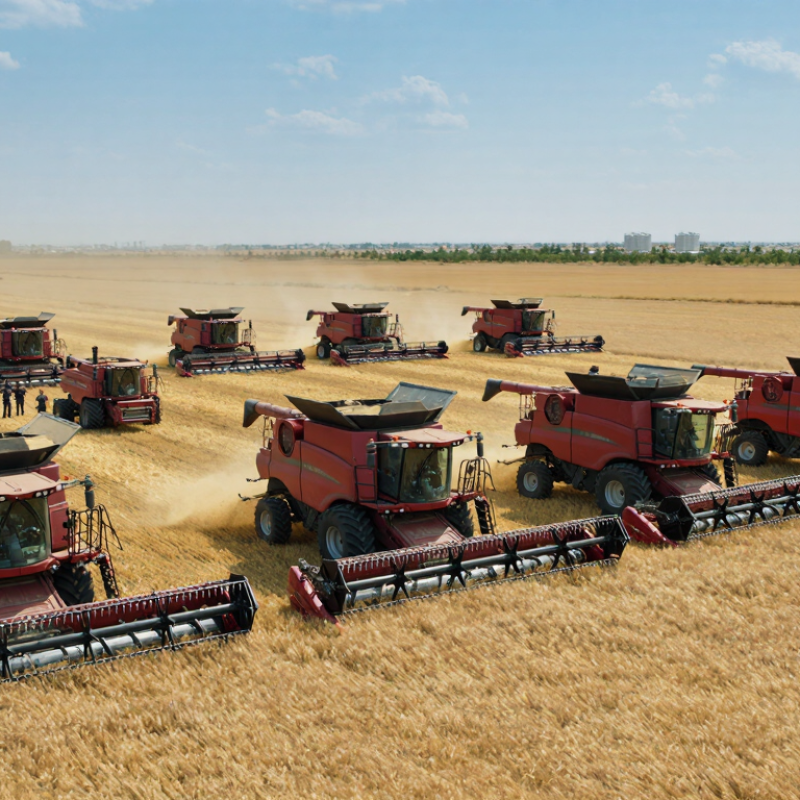
Top 10 Combined Harvester Suppliers for Global Buyers?

What Is a Combined Harvester and Why Does Supplier Choice Matter?

A combined harvester, often called a combine harvester, performs several harvest tasks in one machine. It cuts crops, separates grain, cleans seeds, and stores the harvest. This process reduces field time and labor demand. It also limits crop exposure to changing weather. However, performance depends on crop type, field size, moisture, and operator skill. A machine adjusted for dry wheat may perform poorly in damp rice. That detail matters.

Supplier choice matters because harvesting equipment requires support beyond the purchase date. A low price can become expensive when spare parts arrive late or technicians lack training. Experienced global buyers compare fuel use, capacity, warranty terms, and local service coverage. Ask for operating data from similar farms. Review the parts list carefully. Check delivery schedules and technical manuals. A reliable supplier should explain maintenance intervals, storage needs, and operator training clearly. I have seen buyers focus too heavily on engine power and overlook unloading speed. That mistake can create long waiting lines beside full grain carts. No supplier is perfect. Still, transparent answers reveal practical experience, while vague promises deserve closer review. Availability of filters, belts, sensors, and qualified service workers can matter more than a polished sales presentation.

Key Factors for Comparing Global Combined Harvester Suppliers

Comparing combined harvester suppliers requires more than checking engine power or purchase price. Global buyers should examine harvesting capacity, grain loss, fuel use, and performance in local crops. A practical supplier should provide field data from similar soil, weather, and farm sizes. Ask for measurements, not broad promises. A machine producing low losses in dry wheat may perform differently in wet rice. That difference matters.

Supplier reliability is equally important. Review spare-parts availability, technician training, warranty response, and remote support across your operating region. Check whether common parts can arrive within days, not weeks. Operator comfort also affects daily output. Inspect cab visibility, control layout, noise levels, and cleaning access. Digital monitoring can improve maintenance, but only when data remains understandable and secure. Some supplier comparisons become too technical. My own spreadsheets often miss training quality and local dealer experience.

Tips: Request a live demonstration. Bring your crop samples. Measure losses independently. Speak with nearby users, not only sales teams. Compare total ownership cost over five years, including fuel, maintenance, downtime, and resale value. Check safety certification and emissions compliance for every target market. A lower quotation may hide expensive adaptations. Weather can also disrupt testing, so one field visit is not enough. Credible suppliers accept difficult questions and explain limitations clearly. That honesty is valuable.

Leading Combined Harvester Suppliers and Their Product Strengths

Leading combined harvester suppliers distinguish themselves through practical engineering, dependable support, and measurable field performance. Their machines combine cutting, threshing, separating, and grain handling in one controlled workflow. Strong suppliers offer adjustable headers, efficient cleaning systems, and grain tanks suited to local crop conditions. They also provide clear specifications instead of vague performance claims.

Experienced buyers inspect more than engine power. They compare fuel use, harvesting speed, loss rates, maintenance access, and operator visibility. A useful demonstration should include damp straw, uneven ground, and different grain varieties. Watch the sample. Broken grain and unharvested ears reveal more than brochure figures. Suppliers with regional technicians can reduce downtime when belts, sensors, or concave parts require attention.

Parts availability is another major strength. A well-designed machine still fails when a small component waits weeks for shipment. Reliable suppliers maintain service networks, training programs, and practical maintenance manuals. Some also provide remote diagnostics and seasonal inspections. However, digital features are not automatically valuable. Poor connectivity can limit their use in remote fields. No machine is perfect. Buyers should question warranty limits, software dependence, and real repair costs before signing a contract. Supplier quality becomes clearer after harvest, when support must remain available under pressure.

Top 10 Combined Harvester Suppliers for Global Buyers? - Leading Combined Harvester Suppliers and Their Product Strengths
No. Anonymous Supplier Profile Primary Supply Region Typical Combine Class Representative Engine Output Typical Header Width Core Threshing Configuration Best-Fit Crops and Conditions Key Product Strength Buyer Considerations
1 Profile A North America Class 7–10 300–650 hp 9.1–15.2 m Hybrid or dual-rotor systems Large-scale wheat, corn, soybean and oilseed farms Very high harvesting capacity, large grain tanks and strong automation Requires wide transport routes, skilled operators and substantial capital investment
2 Profile B Western Europe Class 5–9 250–600 hp 6.0–12.5 m Conventional straw-walker and hybrid layouts Wheat, barley, rapeseed, maize and mixed European farms Strong fuel efficiency, operator comfort and precision-harvesting functions Electronic systems and replacement parts may require trained local technicians
3 Profile C Brazil and South America Class 6–9 300–600 hp 7.6–13.7 m High-capacity axial-flow or hybrid systems Soybean, corn, wheat and large commercial farms Good performance in high-yield crops and long harvesting seasons Configuration should be matched to humidity, residue volume and local service coverage
4 Profile D Australia and Oceania Class 7–10 350–650 hp 9.1–15.2 m Large rotor or hybrid threshing systems Wheat, barley, canola and broad-acre dryland farming High throughput, strong residue handling and suitability for broad-acre operations Machine width, dust protection and remote-area parts logistics are important
5 Profile E Central and Eastern Europe Class 4–8 180–450 hp 5.0–9.1 m Conventional walkers and compact rotor systems Wheat, barley, sunflower, maize and medium-sized farms Balanced purchase cost, practical design and flexible crop setup Check local availability of wear parts and compatibility with older farm equipment
6 Profile F China and East Asia Class 3–8 140–450 hp 4.0–9.1 m Conventional, axial-flow and hybrid configurations Rice, wheat, corn, soybean and diversified regional crops Broad model coverage, competitive operating cost and adaptation to varied farm sizes Export buyers should verify software language, emissions compliance and dealer capability
7 Profile G India and South Asia Class 1–4 55–150 hp 2.0–5.0 m Compact conventional threshing systems Wheat, rice, pulses and small or fragmented fields Compact dimensions, lower acquisition cost and easier operation in small fields Capacity is lower than that of large combines; crop moisture and field conditions strongly affect output
8 Profile H Turkey and the Middle East Class 4–8 180–450 hp 4.5–9.1 m Conventional walkers and rotor-based systems Wheat, barley, lentils, sunflower and dryland cereals Robust configuration for dry conditions and relatively straightforward maintenance Dust filtration, cooling capacity and dealer stock should be confirmed before purchase
9 Profile I Japan and Northeast Asia Class 1–4 50–150 hp 2.0–5.0 m Compact conventional systems, including specialized rice configurations Rice, wheat and small-field crops in wet or terraced areas Excellent maneuverability, crop-specific design and suitability for wet-field harvesting Export buyers should review working-width limits, parts compatibility and operator training needs
10 Profile J Southern Africa Class 6–9 250–600 hp 7.6–13.7 m Axial-flow or hybrid systems Maize, wheat, soybeans, sunflower and commercial grain production High-output harvesting with strong suitability for hot, dusty operating environments Cooling systems, filtration, field support and cross-border parts supply should be evaluated
Data note: Technical figures are representative market ranges for comparable combined harvester categories. Actual specifications vary by configuration, crop kit, header type, regional regulations and model year.

How to Evaluate Harvester Technology, Capacity, and Operating Costs

Top 10 Combined Harvester Suppliers for Global Buyers

How to Evaluate Harvester Technology, Capacity, and Operating Costs

Choosing among leading combined harvester suppliers requires more than comparing brochure horsepower. During a field inspection, check grain loss behind the machine, not only dashboard readings. Measure output across dry, damp, and uneven crop conditions. A practical test should record hectares harvested, fuel consumed, and operator hours. Small details matter. Inspect access panels, belts, bearings, and cleaning screens for easy maintenance.

Technology should match local crops and field sizes. Ask suppliers for verified throughput data under similar moisture levels. Automatic settings can improve consistency, but sensors need calibration and trained operators. Check whether software supports local languages and reliable data export. A machine rated for high capacity may perform poorly in fragmented fields. Turning radius, header changes, and road transport limits also affect productivity.

Operating costs often decide the real purchase value. Request a three-year estimate covering fuel, filters, wear parts, servicing, insurance, and training. Confirm spare-parts availability near the operating region. Compare warranty response times, technician coverage, and remote diagnostic support. I would not trust a spreadsheet alone. Mud, delayed parts, and inexperienced operators can change the result quickly. Ask for references from farms with similar acreage, crops, and seasonal pressure.

What Global Buyers Should Check Before Placing an Order

What Global Buyers Should Check Before Placing an Order

A reliable supplier should provide more than a polished machine brochure. Ask for verified harvesting capacity, fuel use, grain-loss rates, and operating hours under similar crop conditions. FAOSTAT tracks agricultural machinery and crop-production indicators, which helps buyers compare claimed performance with local farming realities. A machine tested on dry wheat may behave differently in humid rice fields. Request field-test records, not only laboratory figures.

Inspect the supplier’s technical depth. Confirm engine emissions compliance, spare-parts availability, operator training, and remote diagnostics. The World Bank’s 2023 Logistics Performance Index evaluates customs, infrastructure, shipment quality, and delivery timeliness. These factors affect the real cost of importing a combine harvester. A low quotation can become expensive when a belt waits six weeks at a distant port. Delivery terms, insurance responsibility, installation support, and warranty response times should be written clearly.

Check the machine personally or appoint an independent engineer. Examine the cutter bar, threshing system, tires, bearings, and control panel. Ask for serial-number records and maintenance intervals. Do not guess. Supplier references should include farms with comparable acreage and crops. The OECD-FAO Agricultural Outlook 2024–2033 highlights continuing changes in agricultural productivity and input efficiency, so buyers should consider future operating costs, not only today’s purchase price. I would still leave room for doubt. Performance data may be selective, and even a careful supplier can underestimate local conditions. Test it before scaling the order.