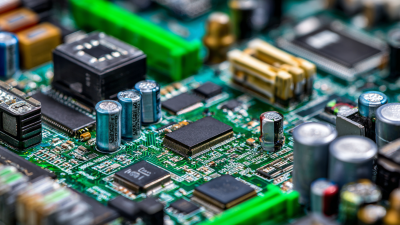
In the dynamic world of electronics, achieving excellence in pcb manufacturing assembly is crucial. The process involves multiple stages, each with its own challenges. From design to final assembly, careful attention to detail can make or break the quality of the end product.
Many companies overlook the significance of thorough planning. This often leads to errors in component placement and soldering issues. It's essential to ensure that the assembly line is optimized for efficiency and precision. The use of advanced technologies can enhance accuracy, but relying solely on machines is a mistake. Human oversight remains a critical factor in maintaining high standards.
Employees should be trained to understand the nuances of pcb manufacturing assembly. Regular audits can help identify potential flaws early. However, some organizations hesitate to invest in this area. Embracing a culture of continuous improvement can significantly reduce waste and rework, ultimately leading to success. By learning from past mistakes and focusing on quality, companies can better position themselves in a competitive market.
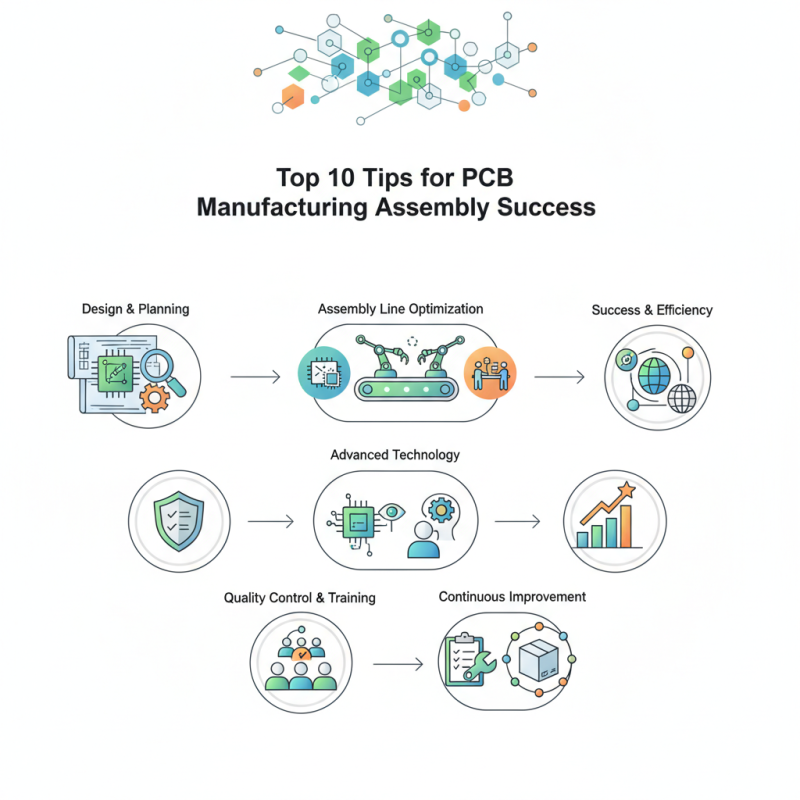
PCB manufacturing involves careful planning and execution. Understanding the key steps can significantly enhance the assembly process. Start by focusing on design specifications. Everyone knows this is the blueprint for success. But how many actually take the time to ensure every detail is accurate? A minor error in the design can lead to major issues down the line.
Next, attention to material selection is crucial. Not all materials work well together. Choosing the right substrate and components makes a difference. Tip: double-check compatibility before finalizing your materials. This simple step can save a lot of headache later.
Assembly techniques also greatly impact the outcome. The process must be handled with precision. Each soldering joint should be inspected meticulously. However, it's easy to overlook details when under pressure. It's important to allocate time for thorough inspections. Consider investing in automated inspection tools; they can catch errors you might miss. Remember, the quality of a PCB is only as good as its weakest link.
Choosing the right materials is crucial for successful PCB assembly. Various factors can influence this decision. Consider the thermal management properties of the materials. High-quality substrates can dissipate heat effectively. Poor thermal performance can lead to component failure. Always question if the material supports the intended application.
Another essential factor is the compatibility of materials. Different materials may react poorly with solder. This can result in weak connections. Evaluating the solder mask and surface finish options is vital. Sometimes, the best combination is not obvious. Prototype testing can unveil unexpected complications that need addressing.
Lastly, the cost of materials shouldn't be overlooked. Lower-cost materials may save money upfront but may not provide durability. This can lead to higher rework costs later. Assessing the long-term implications of material choices is essential. A balance between cost and performance is needed. Finding that balance can be challenging and often requires careful analysis.
| Tip Number | Tip Description | Critical Factors |
|---|---|---|
| 1 | Choose the right PCB material. | Thermal properties and electrical performance |
| 2 | Design with manufacturing in mind. | Ease of manufacturing and assembly processes |
| 3 | Optimize component placement. | Surface mount technology (SMT) benefits |
| 4 | Implement design for assembly (DFA). | Reduced assembly time and cost |
| 5 | Utilize appropriate solder materials. | Reliability and durability of joints |
| 6 | Conduct thorough testing. | Early detection of errors and defects |
| 7 | Ensure proper PCB layout. | Minimize interference and optimize performance |
| 8 | Choose reliable suppliers. | Quality assurance and consistency |
| 9 | Monitor production closely. | Continuous improvement and adjustment |
| 10 | Train the assembly team. | Skill accuracy and efficiency in assembly processes |
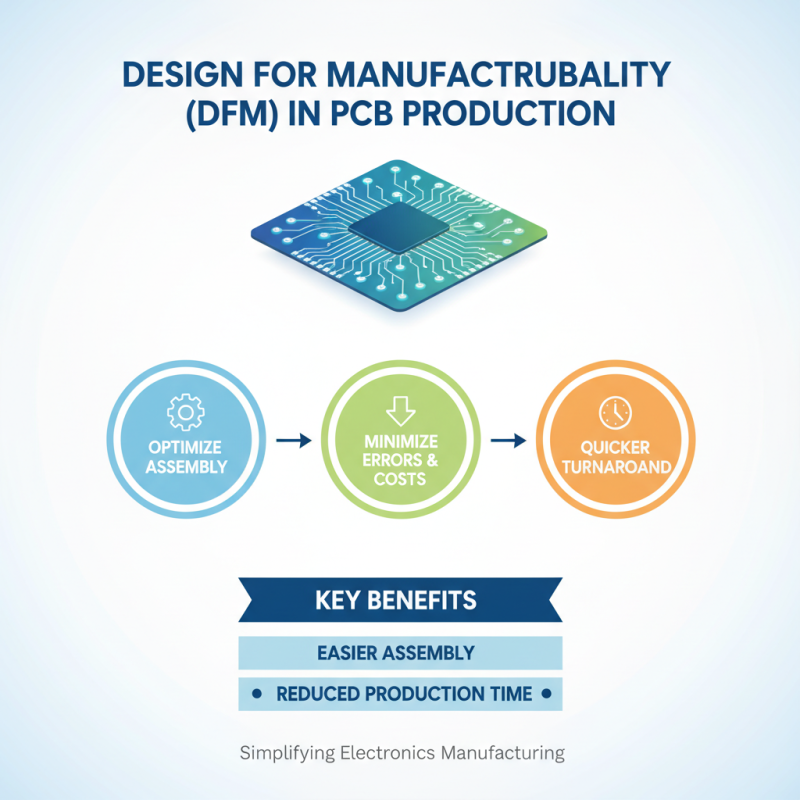
In today's fast-paced electronics industry, Design for Manufacturability (DFM) has become crucial for PCB production. Incorporating DFM ensures that designs are not only functional but also optimize the assembly process. The goal is to minimize errors and reduce costs. A well-thought-out design can lead to easier assembly and quicker turnaround times.
One tip is to keep component placement efficient. Arrange components to minimize trace lengths. This can prevent issues during manufacturing. Also, consider using standardized parts wherever possible. Standard components are often easier to source and integrate. Another important aspect is to clearly label all pads and vias. Confusing designs can lead to mistakes during assembly. Clarity is essential.
Collaboration between designers and manufacturers is vital. Engaging with the assembly team early in the design phase can highlight potential issues. Sometimes, designers overlook assembly challenges. Early feedback can save time and resources. Don’t underestimate the importance of documentation. Thorough documentation aids in the assembly process, reducing errors and enhancing communication.
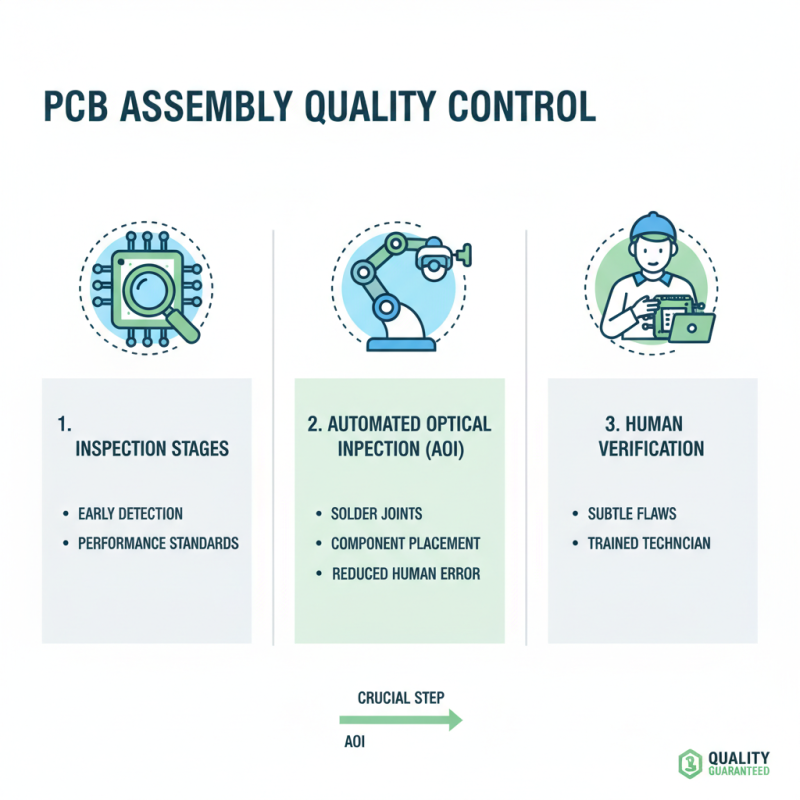
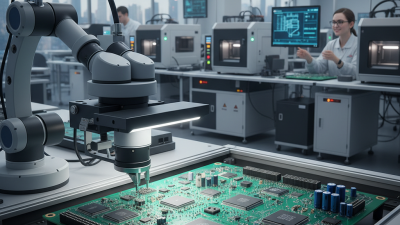
In PCB assembly, quality control is crucial. It ensures that every board meets performance standards. Regular inspections can help identify defects early. Utilize automated optical inspection (AOI) to spot issues with solder joints and component placement. This technology significantly reduces human error. However, relying solely on machines can miss subtle flaws. A trained technician must verify results.
Testing protocols are integral to the assembly process. Functional testing should begin after assembly. This confirms that each board operates correctly. Burn-in tests expose boards to stress and extreme temperatures. It's an effective way to anticipate failures. Yet, it’s essential to track test data diligently. Misinterpretations can lead to overlooking critical flaws.
Continuous improvement is required in PCB assembly. Document every mistake and identify patterns. Regular reviews of the quality control process can reveal improvement areas. Feedback loops promote accountability within teams. Developing a comprehensive quality assurance culture takes time. But it's worth the effort to enhance overall product reliability.
Effective collaboration between design and manufacturing teams is essential for PCB assembly success. Open communication channels are crucial. Teams should share timelines, challenges, and feedback regularly. A dedicated collaboration platform can facilitate information sharing. This includes design updates and manufacturing constraints. When teams engage in early discussions, they can address potential issues upfront.
Understanding each other's priorities is key. Designers should appreciate manufacturing limitations. Meanwhile, manufacturers need insight into design intent. This mutual understanding can reduce design iterations. Sometimes, designs that look good on paper may not be feasible. Reflection on past projects can help identify recurring issues and pitfalls. Regular review meetings can boost team alignment.
However, it's also important to acknowledge friction points. Misalignment often stems from assumptions. Encouraging a culture where team members voice concerns is vital. Incomplete information can lead to costly errors. Teams must embrace their imperfections and view challenges as growth opportunities. This mindset fosters innovation while improving PCB assembly processes.