7 Tips for Buying a Wiper Combination Switch
A Wiper Combination Switch may look like a small stalk beside the steering wheel. Yet it controls functions drivers rely on when rain blurs the road: wiping speed, intermittent timing, and often washer activation. The Federal Highway Administration’s 2007–2016 analysis estimated about 1.2 million weather-related crashes each year in the United States, including roughly 5,376 fatalities and 418,000 injuries. Those figures cover many weather conditions, not wiper-switch failures alone. Still, they show why dependable visibility components deserve careful attention.
Fit matters. So does function. A replacement should match the vehicle’s make, model, year, and existing features; a connector that looks right may not support every setting. Check the part number, inspect the connector and stalk, and confirm whether installation requires steering-column access. Small details count. A loose plug or incompatible control can turn a simple repair into a frustrating return.
This guide explains seven practical checks before buying, from compatibility and build quality to warranty and installation needs. One limitation deserves honesty: no independently verifiable, named expert quotation specific to Wiper Combination Switch purchasing was available for this introduction, so none is invented. The FHWA figures provide road-safety context, not proof that a particular switch prevents crashes. Use the checklist as a buying aid, then confirm fitment with reliable vehicle-specific records or a qualified parts professional.
Identify the Switch Type for 12 V or 24 V Vehicle Electrical Systems
7 Tips for Buying a Wiper Combination Switch
Identify the Switch Type for 12 V or 24 V Vehicle Electrical Systems
Before buying, confirm whether the vehicle uses a 12 V or 24 V electrical system. Check the owner’s manual, service information, or the voltage marking on the vehicle’s battery. Do not identify voltage by vehicle size alone; similar vehicles can use different configurations. Small details matter.
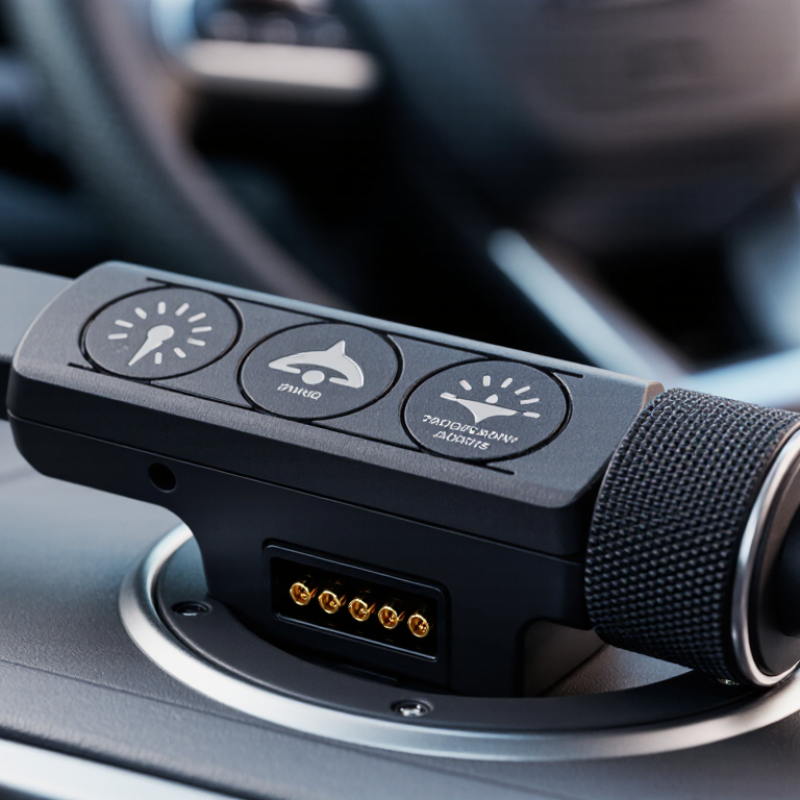
Then check the switch’s specified operating voltage and connector pinout. A matching plug does not guarantee a match. Compare wire positions, terminal count, and control functions, such as intermittent wipe, washer activation, and rear-wiper operation. Some switches send signals to an electronic control module, while others work through a relay circuit. The correct replacement must suit the vehicle’s system, not just its shape.
Inspect the old switch label and wiring diagram, but treat incomplete markings with care. A part may look right and still be rated for the wrong voltage. Not always obvious. If the rating cannot be confirmed, ask a qualified parts specialist to compare the vehicle details and circuit diagram before purchase. Follow the vehicle maker’s battery-disconnection procedure during inspection or installation. A little extra checking can prevent wrong operation, damaged components, or a frustrating return.
Match the OEM Part Number, Connector, and Pinout
A wiper combination switch can look identical to the original and still be electrically incompatible. Match the complete OEM part number, including any suffix, against the vehicle’s year, model, trim, and production date. Then compare the connector’s shape, keying, lock position, and number of terminals. Small details matter. A plug that clicks into place does not confirm that each terminal carries the correct signal.
Check the pinout against the vehicle’s service wiring diagram before installation. Connector diagrams may be shown from the wire side or terminal side, so confirm the viewing direction. Never rely on wire color alone; earlier repairs can change it. The 2024 Auto Care Factbook, drawing on S&P Global Mobility data, reports that the average age of U.S. light vehicles reached 12.6 years. On older vehicles, superseded part numbers and repaired harnesses make visual checks especially useful. A catalog match can still be wrong. If the diagram, connector, or pin count differs, pause and verify the application with a qualified parts specialist rather than forcing the fit.
7 Tips for Buying a Wiper Combination Switch
Match the OEM Part Number, Connector, and Pinout
The bars count the checks in this buying checklist: confirm the part number and vehicle fitment, compare connector shape and keying, verify pin count and terminal-to-function mapping, and check that the switch supports the required functions. These are checklist counts, not survey or sales data.
Check Wiper Speeds, Washers, and Intermittent-Wipe Functions
A wiper combination switch should match the vehicle’s year, trim, connector, and pin layout. Similar-looking levers may control different functions. Compare the part number and wiring details before ordering, and ask a qualified parts professional if the fitment information is unclear. A wrong connector can turn a simple replacement into extra work.
Check every wiper speed, not just the setting you use most. The blades should move steadily on low and high, without stopping mid-sweep. Test intermittent wipe, too. Its pauses should respond to the delay control, though timing can vary by vehicle. Test every setting. If only one speed fails, the motor, fuse, or wiring may be responsible instead of the switch.
Try the washer function with fluid in the reservoir and the vehicle parked. The pump should run, and fluid should reach the windshield; a dry reservoir can make a working switch seem faulty. Listen closely. A click alone does not confirm that fluid is flowing. If buying a used switch, ask whether each function was checked, and inspect the connector for bent or corroded contacts. I would not rely on appearance alone; some problems only show up after installation.
Review Environmental Durability Tests in ISO 16750-3 and ISO 16750-4
7 Tips for Buying a Wiper Combination Switch
Review Environmental Durability Tests in ISO 16750-3 and ISO 16750-4
A wiper combination switch faces vibration, repeated lever movement, temperature changes, and moisture. ISO 16750-3 addresses mechanical loads, while ISO 16750-4 covers climatic loads for vehicle electrical and electronic equipment. Ask suppliers which test conditions were used and whether the tested switch matches your intended mounting location. A result without context can be hard to judge.
Buying tips: Request test reports for vibration and mechanical shock, plus relevant temperature and humidity exposures. Check whether the switch still operates smoothly after testing. Look for details on sample quantity, test duration, and acceptance criteria. Small details matter.
Compare test conditions with the vehicle’s real environment. A switch near a warm dashboard may face different temperatures from one exposed to cold air and dampness. These standards offer useful test frameworks, but a report alone does not guarantee service life. Ask how the test setup reflects actual installation and use. Lab conditions are controlled. Real use is messier. A tidy report can still leave questions, so review the evidence rather than relying on a general claim of durability.
Verify Electrical Ratings Against OEM Wiring Diagrams and Load Data
A wiper combination switch must match the vehicle’s circuit, not just its connector shape. Compare its rated voltage and current with the OEM wiring diagram and the wiper motor’s load data. Check whether the diagram routes motor current through the switch or through a relay; those layouts demand different checks. Numbers matter. A matching plug alone proves little.
Tip: Record the circuit voltage, switch contact rating, terminal functions, and any washer-pump load before ordering. Compare these against the service documentation, including intermittent-wipe and rear-wiper circuits where fitted. Do not guess. Underrated contacts may overheat; incorrect pin mapping can disable functions or damage components. A meter can confirm continuity, but it cannot replace the diagram.
Use recognized references carefully. NHTSA’s FMVSS No. 104 sets windshield-wipe coverage and test requirements, while SAE J903 describes passenger-car wiper-system performance tests; neither provides one universal switch-current rating. That rating must come from vehicle-specific data. A detail that is easy to overlook: replacement parts may list a maximum rating without clarifying the test conditions. Ask for the rating basis, then compare it with the actual circuit and load. We may not have every operating condition documented, so flag unclear specifications rather than treating them as verified.