How to Choose the Right Electrical Breakers for Your Needs?
Understanding how to choose the right Electrical Breakers is crucial for safety and efficiency in any electrical system. Electrical breakers serve as the first line of defense against overloads and short circuits. Selecting the appropriate breaker can prevent potential hazards and damage to your home or business.
When evaluating your options, consider your specific power needs. Different breakers are designed for various applications. The wrong choice can lead to tripped circuits or even fires. Knowledge about the amperage and voltage ratings is essential. Consult an electrician if you feel uncertain about your choices.
Moreover, familiarize yourself with the types of electrical breakers available. For example, Single-Pole Breakers are best for lower amperage circuits, while Double-Pole Breakers can handle larger appliances. Investing time in understanding electrical breakers can save you from costly mistakes. After all, safety should always come first.
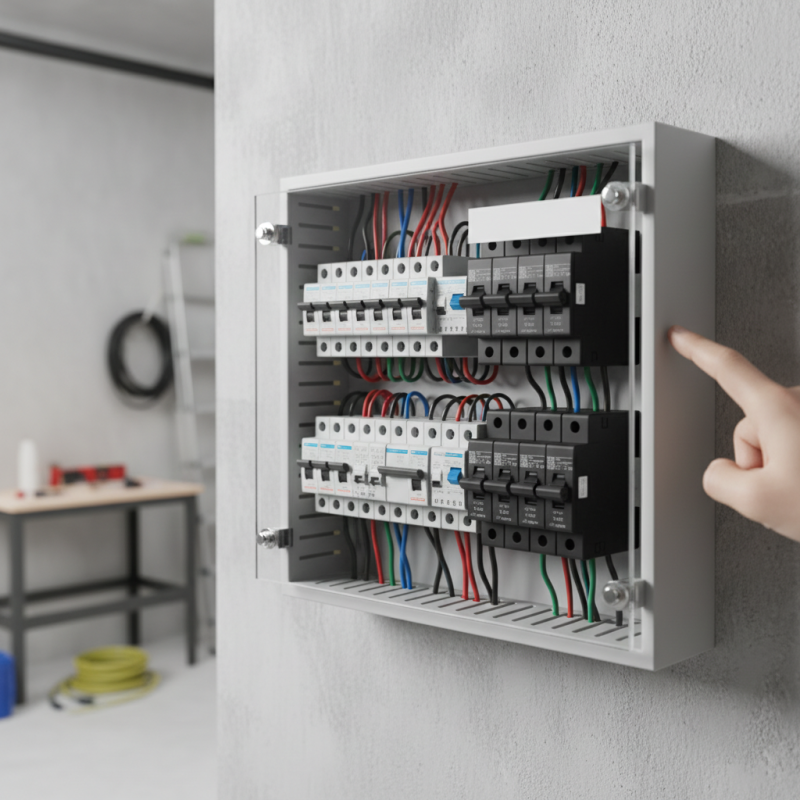
Understanding the Functionality of Electrical Breakers
Electrical breakers play a crucial role in safeguarding your home’s electrical system. They act as automatic switches that cut off power during overloads or short circuits. Understanding how they work is essential for any homeowner. Breakers protect against electrical fires and equipment damage, making them vital for safety and efficiency.
Choosing the right breaker starts with knowing your electrical load. Calculate the total wattage of your devices. This helps in selecting a breaker that can handle the demand. Consider the amperage rating. A breaker with a lower rating will trip easily, protecting your circuits. However, it might also leave you in the dark during normal usage.
Not all breakers are created equal. Some are designed for specific applications. A ground fault circuit interrupter (GFCI) is ideal for wet areas, while a surge protective device (SPD) is perfect for sensitive electronics. Each breaker type serves a purpose. Choose carefully to ensure you meet your specific electrical needs. Reflect on your usage habits; sometimes, a more robust solution is required. Analyzing these details ensures a safer environment and optimal functionality.
Types of Electrical Breakers and Their Applications
When selecting electrical breakers, it's crucial to understand their types and applications. Circuit breakers mainly fall into two categories: standard and specialty. Standard breakers protect circuits from overloads and short circuits. Specialty breakers, like GFCIs and AFCIs, serve specific needs.
GFCIs protect against ground faults typically in wet areas like bathrooms. AFCIs prevent arc faults, reducing fire risks.
Consider the amperage requirements for your home or project. Breakers come in various amp ratings. Common ratings are 15, 20, and 30 amps. Ensure the breaker matches the wire size to prevent overheating. Size matters, and using the wrong amp rating can lead to failures.
Tips: Always consult with a licensed electrician when in doubt. Regularly inspect your breakers for signs of wear or damage. Education on electrical systems can enhance safety and efficiency. Don't underestimate the importance of choosing the right breaker. Improper choices can lead to costly repairs or hazards. Stay informed and invest time in understanding your electrical needs.
Assessing Your Electrical Load Requirements
Assessing your electrical load requirements is crucial when selecting the right electrical breakers. Start by calculating the total wattage of all appliances and lighting in your space. Knowing this figure helps you estimate the current needed. Use the formula: Watts divided by Volts equals Amps. This step provides a baseline for your breaker needs.
Always consider the diversity of your load. Not all devices run simultaneously. However, overestimating can lead to inadequate protection or frequent trips. Check if you have high-draw items like dryers or HVAC systems. These devices may require dedicated breakers. Ensure you account for future additions to your electrical setup as well.
Make a list of everything that will be powered in the system. This exercise helps visualize your needs. If your calculations seem complex, consulting an expert may be beneficial. Remember, safety is paramount. Using the wrong breaker type can cause issues. Reflect on your choices and ensure they align with your actual usage patterns.
Considerations for Selecting Breaker Ratings and Sizes
Choosing the right electrical breakers involves a careful assessment of ratings and sizes. Breaker ratings dictate the amount of current a breaker can handle. For instance, the National Electrical Code (NEC) suggests that residential breakers typically range from 15 to 200 amps. It's crucial to understand your circuit's requirements, including the load from appliances and lighting.
When selecting a breaker, consider both continuous and non-continuous loads. Continuous loads should not exceed 80% of the breaker's rating. For example, if you have a 20-amp breaker, it is wise to keep your continuous load below 16 amps. Many underestimate this factor, which can lead to premature breaker tripping or even equipment failure.
Additionally, size matters. Breakers come in various physical sizes and mounting options. A panel may only accommodate certain types, influencing your choice. This information isn't always obvious, making it essential to review the panel specifications. While the ratings guide is useful, it often lacks information about environmental factors. Humidity, temperature extremes, and dust can all impact performance, and these elements should guide your selection process.
Safety Standards and Compliance in Breaker Selection
When selecting electrical breakers, safety standards play a crucial role. Compliance with regulations ensures that your electrical system operates safely. The National Fire Protection Association (NFPA) and Underwriters Laboratories (UL) provide guidelines for breaker performance. Choosing breakers that meet these standards can reduce the risk of electrical fires. In fact, the NFPA reported that half of home electrical fires involve faulty wiring or equipment.
It's important to consider the specific type of electrical breaker you need. Each breaker type caters to different voltages and load requirements. For example, GFCI breakers protect against ground faults, while AFCI breakers help prevent arc faults. Selecting the right type based on your system’s demands is essential for maintaining compliance. Data from the International Electrotechnical Commission shows that over 30% of electrical malfunctions could be avoided with the right selections.
Before making a decision, evaluate the unique characteristics of your electrical installations. Overloading can lead to breaker tripping or failures, which might not comply with safety standards. Remember, not all breakers are created equal. It's easy to overlook the importance of choosing compliant products. Prioritizing safety in your selection process protects your property and enhances reliability.