
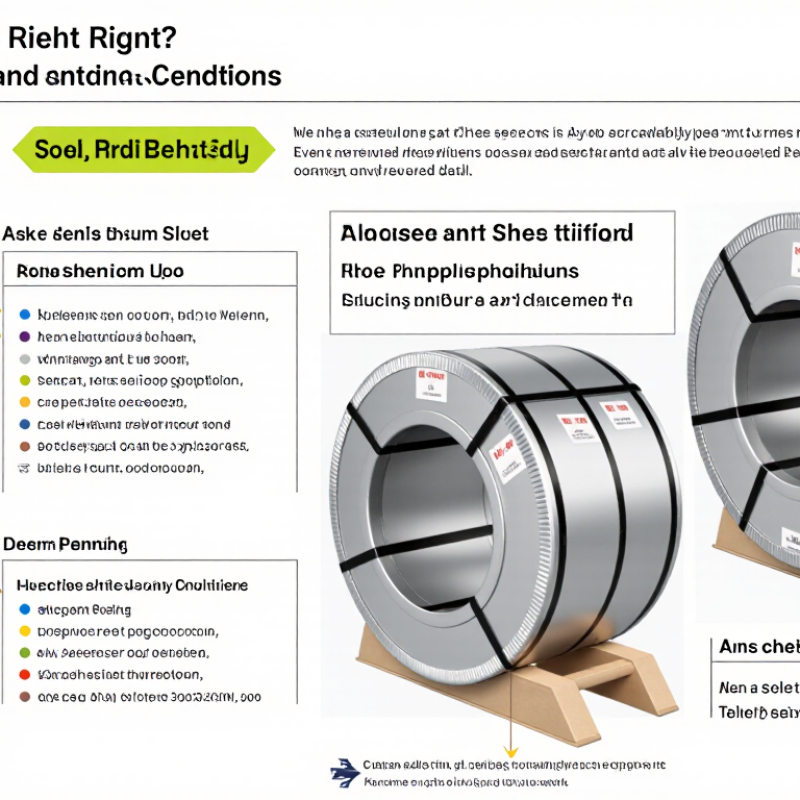
Begin with the part’s actual job, not just a catalog description. An exterior panel faces rain, sunlight, wind, and changing temperatures. A formed enclosure may need clean bends and a durable finish. Heat-transfer components have different priorities, including conductivity and dimensional stability. Details matter. Note where the sheet will be installed, how it will be shaped, and what it will contact during use.
Then define the performance requirements in measurable terms. Consider alloy and temper, thickness, strength, corrosion resistance, surface appearance, and forming limits. A harder temper may resist dents but can crack during a tight bend. A softer sheet may form more easily, yet need extra support. These are trade-offs, not simple upgrades. Check supplier data for the exact grade and temper, then compare it with the part’s operating conditions. If the design includes tight radii or cut edges exposed to moisture, test a sample using the real forming process. Test a sample. It is easy to choose by price or strength alone; I would still question whether those numbers match the finished part. A small trial can reveal springback, marking, or edge problems before they appear across a full production run.