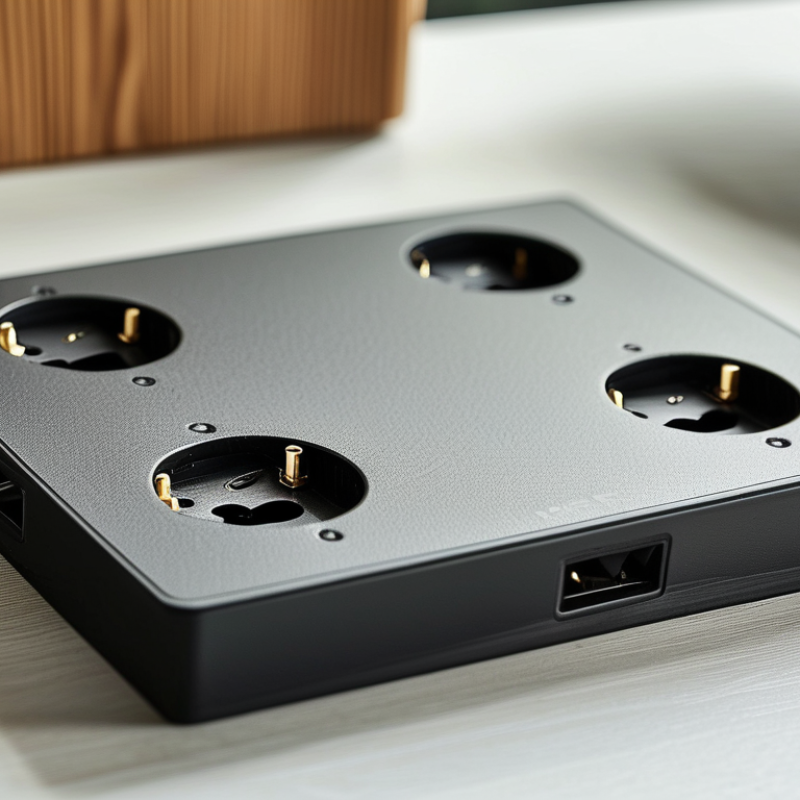
How to Choose the Best Recessed Floor Socket for Your Needs?
Choosing the right Recessed Floor Socket can significantly impact your space. It is crucial for both functionality and aesthetics. A well-chosen socket enhances convenience and promotes a tidy environment.
When selecting a Recessed Floor Socket, consider your specific needs. Think about the type of devices you'll be using and their electrical requirements. It's also essential to evaluate the socket's location and potential foot traffic. The wrong choice can lead to frustration or safety hazards. Functional design and quality materials are key factors to determine.
While there are many options, not all sockets are created equal. Research different brands and read user reviews. Some users report issues with durability or ease of installation. Be mindful of both pros and cons. Making an informed decision means weighing these factors carefully. Take your time to reflect on what’s best for your situation.
Understanding Recessed Floor Sockets: An Overview
Recessed floor sockets are an essential feature in modern architecture. They facilitate easy access to power sources without disrupting the aesthetics of a room. According to a 2022 industry report, the market for these sockets is projected to grow by 7.1% annually. This rise reflects their increasing popularity in both residential and commercial spaces.
Understanding the components of recessed floor sockets is crucial. They typically consist of a housing unit, cover plate, and electrical components. The housing unit must be durable, often made from high-quality materials like steel or plastic. Proper installation is key; however, many users overlook the importance of professional guidance. A poor installation can lead to hazards, including electrical fires.
Functionality and design vary significantly among recessed floor sockets. Some are designed for high-traffic areas, while others are more decorative. The choice depends on the specific needs of the space. This diversity can be overwhelming. A detailed assessment of power requirements and user behavior is advisable. It's important to reflect on how often the sockets will be used and for what purpose. Proper planning will ensure that the best socket is chosen to meet individual needs.
Comparison of Recessed Floor Socket Features
Key Factors to Consider When Choosing a Recessed Floor Socket
When selecting a recessed floor socket, several key factors demand attention. Assess the material and build quality. Durable materials can resist wear and tear over time. Look for sockets that are waterproof or dustproof, particularly for outdoor use. Understanding the installation method is also essential. Some sockets are easier to install than others.
Consider the design and compatibility with your flooring. A recessed socket should blend seamlessly with your decor. It should not disrupt the floor's appearance. Choose a design that complements your space while considering the functionality.
Tips: Ensure the socket depth is suitable for your flooring type. Measure twice before purchasing. Evaluate the electrical specifications, such as voltage and amperage. Choose options that meet your needs but also allow some margin for future upgrades.
Pay attention to additional features. Some sockets come with safety covers or built-in surge protection. These can prevent accidents and enhance reliability. Also, consider accessibility. A socket should be easy to reach for regular use but unobtrusive enough to maintain a clean look.
Types of Recessed Floor Sockets and Their Applications
When selecting a recessed floor socket, understanding the types available is crucial. There are several categories, primarily including power sockets, data sockets, and multimedia sockets. Power sockets are typically used in areas where electrical devices need to be plugged in, like conference rooms. Data sockets, on the other hand, are essential for internet connectivity, found in offices and classrooms. Multimedia sockets often combine audio, video, and data in one unit, perfect for entertainment areas.
The application of each type varies significantly. For instance, a power socket may be ideal for heavy machinery in a workshop. In contrast, data sockets are pivotal for modern work environments that rely on constant connectivity. Multimedia sockets are increasingly popular in homes and theaters, accommodating various electronic devices. However, not all recessed sockets are suitable for every setting. It’s important to assess the space and requirements before making a decision. If you overlook these factors, you might end up with a socket that doesn’t meet your needs. Reflecting on potential applications can save time and ensure satisfaction.
Installation Considerations for Recessed Floor Sockets
When selecting a recessed floor socket, installation considerations are crucial. Start by assessing the location and purpose. It is vital to choose a socket that meets the electrical load requirements for devices used in that space. According to the National Electrical Manufacturers Association (NEMA), overloading can lead to socket failure and potential hazards.
Proper placement is another key factor. Installing sockets in high-traffic areas can lead to damage over time. Ensuring that they are flush with the floor helps to prevent tripping hazards. Data from the Electrical Safety Foundation International (ESFI) indicates that improper installation leads to 30% of electrical accidents in commercial spaces.
Consider the type of flooring as well. Some materials may limit socket design or compromise performance. Wood, tile, and concrete may require different installation approaches. Each flooring material presents unique challenges. For example, concrete may need chiseling, while wooden floors often allow for simpler cutouts. Always refer to local electrical codes to ensure compliance.
How to Choose the Best Recessed Floor Socket for Your Needs? - Installation Considerations for Recessed Floor Sockets
| Feature | Description | Considerations |
| Socket Type | Choose between power, data, or multimedia sockets based on your needs. | Consider your equipment and ensure compatibility. |
| Installation Depth | Check the installation depth required for the socket. | Make sure it fits within your floor structure. |
| Material Quality | Look for durable materials that withstand wear. | Evaluate the expected foot traffic in the area. |
| Safety Features | Consider sockets with safety features like child-proofing. | Essential for public or family environments. |
| Aesthetics | Select designs that blend with your flooring for a seamless look. | Consider the style and color of your floor material. |
| Ease of Access | Ensure the socket placement is convenient for users. | Plan the layout to avoid obstructions. |
| Cost | Consider your budget and the cost of installation. | Balance quality with affordability. |
Maintaining and Troubleshooting Your Recessed Floor Socket
When using recessed floor sockets, maintenance is crucial for optimal performance. Regular inspections help identify wear and tear. For example, according to a report by the National Electrical Contractors Association, about 30% of electrical failures stem from poor maintenance. Cleaning dirt and debris around the socket ensures a secure connection. A clean installation area can reduce fire hazards.
Troubleshooting recessed floor sockets involves careful observation. If power fluctuations occur, it might indicate an internal issue. Testing the socket with a multimeter can reveal loose connections. Industry experts recommend checking for signs of overheating or corrosion, as these can affect electricity flow. Listening for unusual sounds can also signal deeper problems.
Providing adequate ventilation is another essential aspect. Some installations may lack proper airflow, leading to overheating. According to electrical safety statistics, poorly ventilated sockets can fail more often. Ensuring that your recessed floor socket has sufficient space can improve its longevity. Each environment presents unique challenges, demanding constant attention to details.