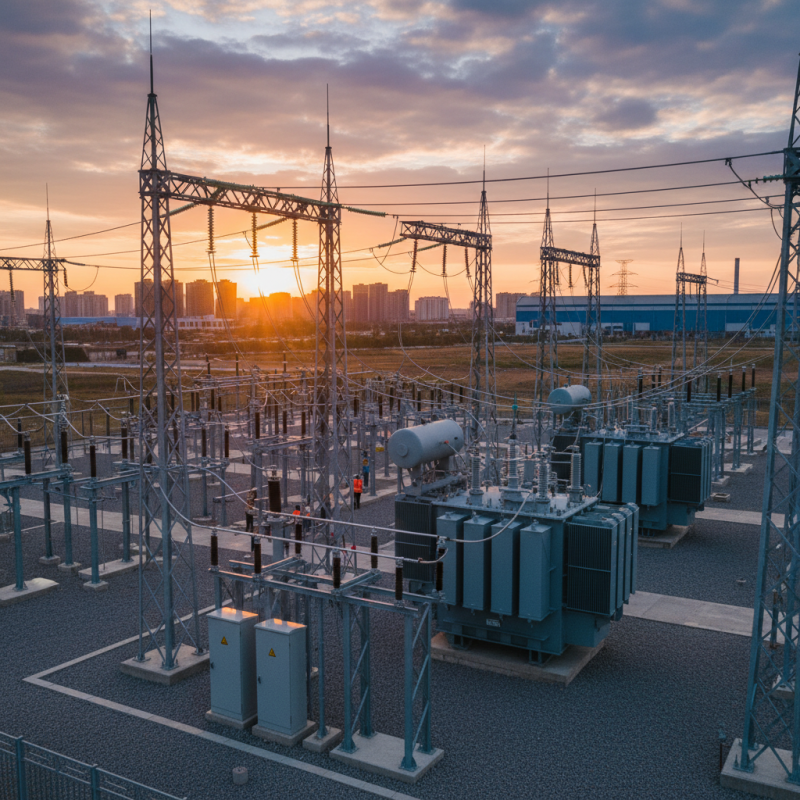
How to Choose the Right Transformer Substation for Your Needs?
Choosing the right Transformer Substation is crucial for any electrical infrastructure. Whether you are a developer, engineer, or an energy manager, this decision impacts efficiency and performance. A transformer substation converts voltage levels, ensuring seamless power distribution.
When assessing options, consider load requirements, location, and available technology. Understanding the specific needs of your project can lead to smarter choices. Different substations offer varied benefits, making it essential to evaluate them carefully.
The complexity of the selection process may overwhelm you. Don't rush into a decision; reflecting on all factors is vital. Engage with experienced professionals to navigate potential pitfalls. Reliable information will empower you to choose a transformer substation that fits your needs best.
Understanding Transformer Substations and Their Functions
Transformer substations play a crucial role in electrical distribution systems. They help in stepping down high voltage electricity from transmission lines to a usable level for businesses and homes. Understanding their functions is essential for making an informed choice when selecting a substation.
These substations consist of transformers, switchgear, and protection devices. Transformers are designed to convert voltage levels efficiently. Switchgear controls the flow of electricity and safeguards the network. Protection devices monitor the system and prevent faults.
Choosing the right transformer substation can be challenging. Factors such as load requirements, expansion plans, and site conditions are important to evaluate. A mismatch between these elements and the substation’s capabilities can lead to operational inefficiencies. It’s vital to analyze your specific needs and perhaps seek expert consultation to navigate this complex decision-making process.
Assessing Your Power Needs: Load Requirements and Future Expansion
When assessing your power needs for a transformer substation, it's crucial to examine both current and future load requirements. According to the U.S. Energy Information Administration (EIA), electricity consumption is expected to grow by 1.4% annually over the next decade. Any underestimation can lead to operational issues and increased costs.
As you plan, consider your peak load demands. This insight helps in defining the necessary capacity of your transformer substation. The National Renewable Energy Laboratory indicates that a 10% increase in load can necessitate a significantly larger transformer, impacting both upfront costs and operational efficiency. Be realistic about how much power you truly need now versus what you might require in the future.
Tip: Engage with a professional engineer to analyze your power distribution needs meticulously. Their insights can help identify the potential growth areas, ensuring your substation can accommodate future demands.
Additionally, include a buffer in your calculations. This allows for unforeseen expansions or increases in load. Remember, small miscalculations can escalate into substantial losses over time. Always err on the side of caution when planning your energy infrastructure.
Evaluating Different Types of Transformer Substations
Choosing the right transformer substation involves understanding various types. Each type serves a specific purpose, tailored to unique requirements. For instance, indoor substations are perfect for limited spaces. They are often used in urban areas where real estate is precious. Their compact design can still provide high capacity.
Outdoor substations are a different story. They handle larger loads and are commonly found in industrial zones. These substations can endure harsh weather conditions. However, they require more land and are less aesthetically pleasing. Evaluating available space is crucial before making a decision.
Distribution substations reduce voltage levels for local consumption. These are vital in ensuring reliable power supply to communities. However, they can be complex. Many factors influence their efficiency and effectiveness. It's essential to explore your needs and consult with experts. Balancing cost, capacity, and location can be challenging. The right choice can impact your operation significantly.
Transformer Substation Types and Their Capacities
Key Specifications and Features to Consider in Your Selection
Choosing the right transformer substation requires careful consideration of key specifications. Power rating is crucial. It determines how much load the substation can handle. Think about the peak load you expect. This will help you choose a suitable rating. The voltage level is also important. Ensure it matches your network requirements. Mismatched voltage can lead to operational issues.
Cooling methods are another factor. Air cooling is common but may not suffice in high-demand scenarios. Consider oil or water cooling for better efficiency.
Size is an obvious but vital detail. The physical footprint of the substation impacts site selection. Have you mapped out your available space?
Safety features cannot be overlooked. Look for models with built-in protection like surge arresters. These elements prevent damage during electrical spikes. Inadequate safety might expose your facility to risks. Regulations vary, so understanding local codes is key. A seemingly perfect unit can become a headache if it doesn't meet compliance. Make sure you evaluate all these aspects thoroughly. Missing one might lead to costly mistakes.
Budgeting and Cost Factors for Transformer Substation Installation
Choosing the right transformer substation involves various budgeting and cost factors. The installation costs can range significantly, typically between $100,000 to $500,000, depending on size and specifications. According to industry studies, 70% of this budget often goes towards equipment procurement and installation labor. Knowing this helps in allocating funds effectively.
There are additional costs to consider. Site preparation is crucial, as some locations require extensive groundwork. This can add an extra 10% to 20% to your total budget. Equipment upgrades often lead to long-term savings, yet they may escalate initial costs. Investing in high-quality transformers can reduce maintenance expenses over time.
Some projects overlook ongoing operational costs. Electrical systems require regular maintenance, impacting long-term budgets. Not addressing these costs can strain finances unexpectedly. Facility managers should analyze total cost of ownership, including energy efficiency and lifecycle assessment. Systems with higher upfront costs may save more through reduced energy consumption and lower maintenance. Understanding these variables is essential when planning your budget.
How to Choose the Right Transformer Substation for Your Needs? - Budgeting and Cost Factors for Transformer Substation Installation
| Dimension | Example Value | Notes |
| Capacity (kVA) | 500 | Typical for medium-sized industries |
| Installation Cost ($) | 15,000 | Excluding land and groundwork |
| Maintenance Cost (Annual) ($) | 1,200 | Regular upkeep and inspections |
| Land Requirement (sq ft) | 800 | Space for installation and safety clearance |
| Expected Lifespan (Years) | 30 | With proper maintenance |
| Efficiency Rating (%) | 98 | High efficiency for reduced losses |
| Transformer Type | Oil-Immersed | Suitable for high capacity and outdoor use |