How to Choose the Right Local Exhaust Ventilation System?
Choosing the right Local Exhaust Ventilation (LEV) system is crucial for maintaining a safe and healthy work environment. Effective LEV minimizes exposure to harmful airborne contaminants. The right system can significantly reduce pollution, ensuring that workers breathe cleaner air. However, determining the best solution for your specific needs requires careful consideration.
Not all LEV systems are created equal. Factors like the type of contaminants, workspace layout, and airflow requirements play a vital role in this decision. A poorly designed system might lead to inadequate protection and unnecessary risks. Companies often overlook these details, focusing instead on cost rather than effectiveness. This oversight could have serious consequences.
Expertise in LEV design is paramount. Consulting with professionals who understand industrial hygiene and engineering is essential. They can help tailor the system to your operations, ensuring compliance with safety standards. Remember, investing in a high-quality LEV system is not just a regulatory need; it is a commitment to employee health and productivity.
Understanding Local Exhaust Ventilation Systems
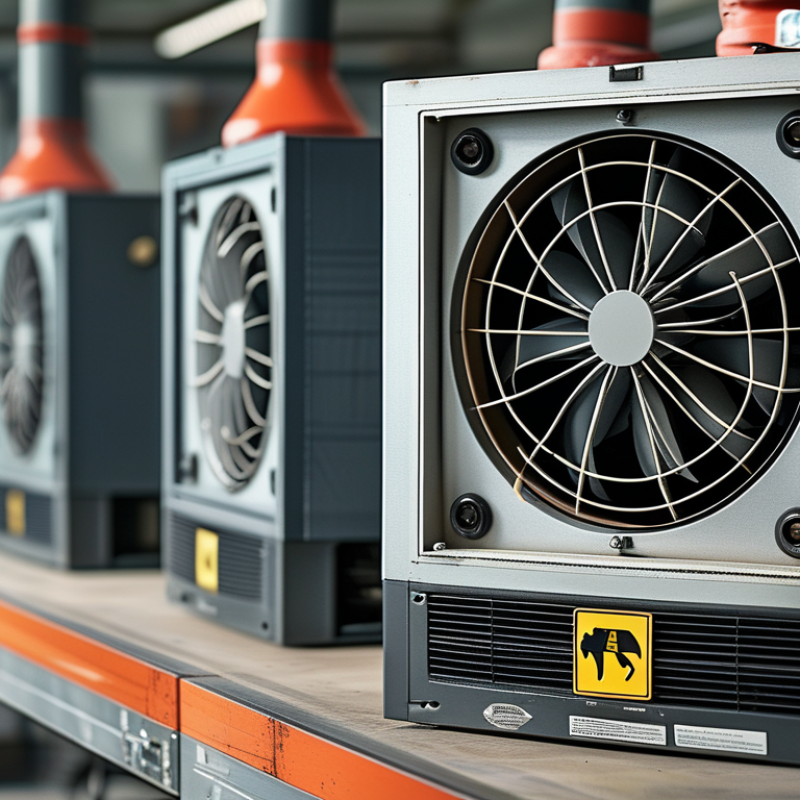
Local exhaust ventilation (LEV) systems are critical for maintaining air quality in various work environments. These systems capture harmful contaminants at the source, preventing them from dispersing into the breathing zone. According to the American National Standards Institute (ANSI), proper ventilation can reduce exposure to airborne hazards by up to 90%. This figures emphasize the importance of a well-designed LEV system in industrial settings.
When selecting an LEV system, several factors must be considered. The type of contaminants is one critical aspect. For example, welding fumes, dust, and chemical vapors require different handling methods. In a study by the National Institute for Occupational Safety and Health (NIOSH), it was found that LEVs effectively reduced particulate matter concentrations by 75% in metalworking sectors. Such data highlight the need for tailored solutions based on specific workplace conditions.
Another often overlooked factor is worker behavior. Even the most advanced systems may underperform if not used correctly. Training workers on proper usage and maintenance is essential for optimizing system performance. A recent report indicated that only 60% of workers received adequate training on ventilation systems. This statistic raises questions about the effectiveness of these crucial systems. Ultimately, ensuring both appropriate technology and informed user engagement is vital for achieving optimal air quality.
Local Exhaust Ventilation System Comparison
Key Factors to Consider When Choosing a Ventilation System
Choosing the right local exhaust ventilation system involves multiple considerations. One key factor is the specific contaminants present in the workspace. Different materials release various pollutants. Knowing what you are dealing with is essential. It helps in selecting the appropriate filtration method. For instance, welding fume demands a different solution than dust or chemical vapors.
Another important aspect is the airflow requirements. Understanding the volume of air needed to effectively capture pollutants is crucial. This can involve calculations based on space size, activity type, and pollutant concentration. Make sure to evaluate the system's efficiency at both low and high flow rates. Sometimes systems may underperform under specific conditions.
Lastly, consider the maintenance requirements. An efficient system might become less effective if not properly maintained. Regular checks on filters and fan performance are necessary. Some systems may require extensive upkeep, affecting overall productivity. Balancing effectiveness with maintenance needs is essential for long-term reliability.
Types of Local Exhaust Ventilation: Pros and Cons
Choosing the right local exhaust ventilation system can be challenging. There are several types, each with its own pros and cons. For instance, fume hoods are popular in labs. They effectively capture harmful vapors but often require high maintenance. Downdraft tables help remove dust, but their effectiveness depends on the operator's positioning.
When considering a system, think about your specific needs. Do you work with fine powders or liquid chemicals? A dust collection system may be better in that case. These systems can be tailored for different materials, providing flexibility. However, they may not be as effective for volatile gases.
One important consideration is the installation and operational cost. Many systems have a higher upfront cost. Investing in quality equipment could lead to savings in the long term. Yet, it’s essential to assess ongoing operational costs. Regular maintenance is crucial to ensure efficient performance. This might be an area where facilities often struggle. Equipment may not function optimally due to neglect or oversight. Look for signs of wear and consider scheduled checks. Prioritize employee safety and comfort in the workspace. Make informed choices to enhance overall working conditions.
How to Choose the Right Local Exhaust Ventilation System? - Types of Local Exhaust Ventilation: Pros and Cons
| Type of System | Pros | Cons |
| Fume Hoods | Effective for hazardous gases and vapors; good containment. | High installation cost; may require significant space. |
| Exhaust Arms | Flexible positioning; suitable for welding and painting operations. | Less effective for large area coverage; may require frequent adjustment. |
| Enclosures | Isolates hazardous processes; can be customized for specific applications. | Initial costs can be high; may limit worker accessibility. |
| Downdraft Tables | Good for particulate control; integrates well with work surfaces. | Limited to certain types of work; requires maintenance to ensure effectiveness. |
| Source Capture Systems | Targeted approach to controlling exposure; efficient for specific tasks. | May not be effective for varying tasks; requires training for proper use. |
Assessing Work Environment and Contaminants for Effective Ventilation
When choosing a local exhaust ventilation system, assessing the work environment is crucial. Start by identifying the contaminants present. These might include dust, fumes, or vapors. Understanding the types of substances is vital for effective ventilation. For instance, particulate matter may require different controls than chemical vapors.
Evaluate the workspace layout and airflow patterns. Poor ventilation can lead to areas of stagnant air. Pay attention to where workers are positioned and how contaminants are generated. Isolate high-emission processes to minimize exposure. This setting demands careful planning to optimize the system's performance.
Regularly review the effectiveness of the installed system. Consider conducting air quality tests to measure contaminant levels. Unforeseen issues can arise, and systems may not perform as intended. Engaging with experienced professionals can provide insights into these challenges. They can help refine the system for better results.
Installation and Maintenance: Ensuring System Efficiency
When installing a local exhaust ventilation system, proper attention to detail is critical. Ensure that the system is placed strategically to capture fumes, dust, or vapors at their source. Common mistakes include overlooking the height and angle of the exhaust hoods. Incorrect positioning can lead to inefficient operation, resulting in poor air quality.
Maintenance is key to ensuring system efficiency. Regularly inspect ductwork and filters for clogs and wear. Neglect can reduce airflow, making the system ineffective. It’s common for facilities to underestimate the importance of routine checks. Keeping a maintenance log can help identify patterns and prevent issues before they escalate.
Training staff on how to use the system effectively contributes to overall efficiency as well. They should understand the operation and importance of the ventilation system. Encouraging open feedback can highlight areas for improvement. Striving for continuous enhancement creates a better working environment. Emphasizing communication about the system helps ensure that everyone is on the same page.