How to Choose Ground Rod Copper for Effective Grounding Solutions?
When selecting a Ground Rod Copper for effective grounding solutions, understanding the various options can be challenging. Ground rod copper is essential for electrical safety and system reliability. It ensures that excess electrical charges are safely dissipated into the earth, which protects both equipment and personnel.
Choosing the right ground rod copper requires careful consideration of specific factors. Copper is known for its excellent conductivity and durability. However, not all copper rods are created equal. The diameter, length, and design all impact performance. Understanding these nuances is vital for making an informed decision.
Sometimes, people overlook the benefits of quality ground rod copper. It's tempting to choose the cheapest option, but this can lead to future issues with grounding effectiveness. In some cases, improper installation or selection can result in frequent electrical failures. By taking time to choose the right ground rod copper, you can avoid costly mistakes and ensure optimal safety in your systems.
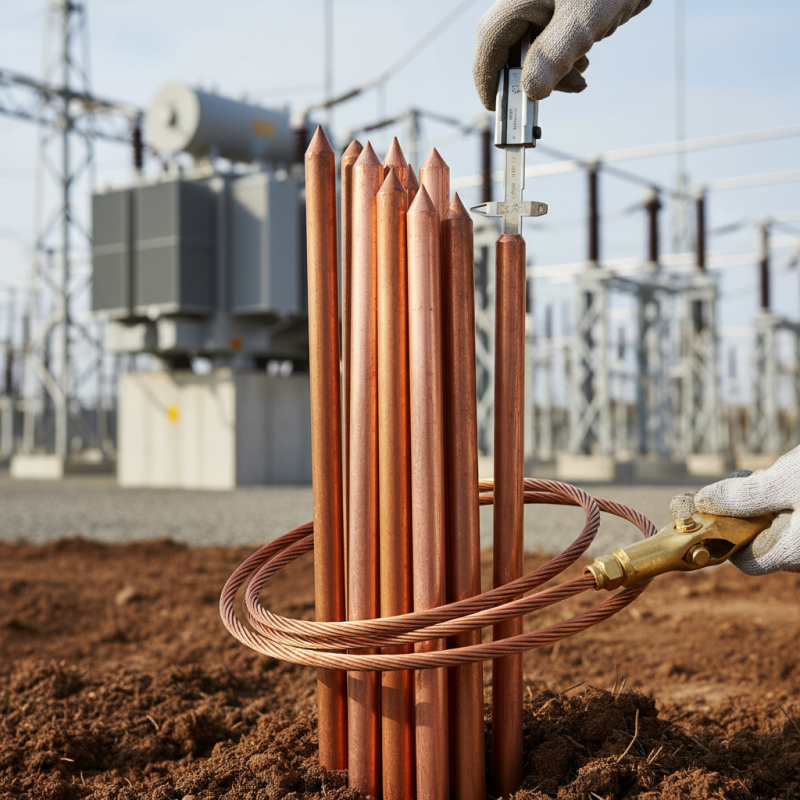
Importance of Grounding in Electrical Systems
Grounding is a critical aspect of electrical systems. It ensures safety and prevents equipment damage. Proper grounding reduces the risk of electrical shock and protects sensitive devices. When considering grounding solutions, the choice of ground rod copper is essential. The right material enhances conductivity and durability.
Tips for choosing ground rod copper include assessing your soil type. Different soils have varied conductivity levels. A copper rod works best in moist environments. However, rocky or dry areas may require additional considerations. Testing soil resistivity can identify the right grounding method for your location.
Another tip is to check local codes. Compliance with regulations is crucial for effective grounding. Some regions have specific requirements regarding rod depth and material specifications. Always prioritize safety over cost. Investing in quality ground rod copper may prevent future expenses due to equipment failures. Ensure your grounding solution is robust and reliable.
Types of Ground Rods: Copper vs. Other Materials
When selecting a grounding rod, one key decision lies in the choice of material. Copper rods are a popular option due to their excellent conductivity and corrosion resistance. They provide a reliable path for electrical currents, ensuring safety in various systems. However, there are alternatives like galvanized steel and aluminum that might also be suitable depending on the installation environment.
Galvanized steel rods are often more affordable. They offer decent conductivity but may corrode over time, especially in moisture-rich soils. This can lead to increased resistance, impacting functionality. Aluminum rods are lightweight and resist corrosion well, but they may not provide as much conductivity as copper. It's essential to consider the specific needs of your grounding system. Each material has its pros and cons based on the application. Users must weigh these options carefully.
In some cases, using a mixed approach can yield the best results. Deploying copper rods in critical areas while using steel for less vital connections may balance cost and effectiveness. However, this requires knowledge of local soil conditions and electrical standards. It's crucial to evaluate the environment and application thoroughly to ensure effective grounding solutions.
How to Choose Ground Rod Copper for Effective Grounding Solutions?
| Type of Ground Rod | Material | Corrosion Resistance | Conductivity (S/m) | Common Applications |
| Copper Ground Rod | Copper | Excellent | 59.6 | Residential, Commercial |
| Copper-Bonded Steel Rod | Steel with Copper Coating | Good | 8.5 | Industrial, Grounding Systems |
| Galvanized Steel Rod | Steel with Galvanized Coating | Moderate | 5.9 | Outdoor, Rural Areas |
| Stainless Steel Rod | Stainless Steel | Very Good | 1.4 | Severe Environments |
Factors to Consider When Choosing a Copper Ground Rod
When selecting a copper ground rod, several key factors must be considered for effective grounding solutions. The first consideration is the diameter of the rod. A thicker rod can penetrate hard soil more easily and provide a better connection. Typical diameters range from 1/2 inch to 3/4 inch. Additionally, the length of the rod matters. Longer rods can reach deeper, moist soil layers, enhancing conductivity.
Soil conditions are another critical factor. Different soil types impact grounding performance. For example, sandy soils tend to have higher resistance compared to loamy soils. Testing the soil’s resistivity can guide decisions on rod length and grounding effectiveness. Local regulations also play a role. Some regions have specific requirements for grounding systems that must be adhered to.
Lastly, evaluate the installation environment. Proximity to electrical systems might require a different grounding approach than in remote installations. Regular maintenance checks are crucial, as corrosion can reduce conductivity over time. It is not uncommon for installations to fail unnoticed, leading to potential safety hazards. Understanding these aspects ensures that you make an informed decision when choosing a copper ground rod for grounding solutions.
Factors to Consider When Choosing a Copper Ground Rod
Installation Techniques for Effective Grounding with Copper Rods
When installing copper ground rods, proper technique can significantly enhance their effectiveness. Begin by selecting the right location. It should be free from rocks and debris. A good ground rod must penetrate the soil effectively. Use a hammer or a driver for solid placement. Aim for a depth of at least 8 feet. This length ensures a good connection to the earth's conductive materials.
Once the rod is installed, connect it securely to your grounding system. Use corrosion-resistant connectors to maintain conductivity over time. Ensure all connections are tight. A loose connection can lead to ground faults. It is also essential to regularly inspect your grounding system. Look for signs of rust or wear. Address any issues promptly to avoid failures.
While copper rods can be reliable, they are not foolproof. Soil conditions can vary, affecting conductivity. In rocky or dry areas, you might face challenges. If problems persist, consider supplementary grounding solutions. Incorporating multiple grounding methods may provide improved safety and performance.
Maintenance and Inspection of Ground Rods for Longevity
Regular maintenance and inspection of ground rods are essential for ensuring their longevity and effectiveness. Ground rods are often buried and neglected, but they require attention. Periodic checks can identify corrosion, damage, or poor connections. Corroded rods can lose their conductivity, leading to grounding failures. Ensure that the connections are secure and check for any signs of rust or wear.
Performing visual inspections is a straightforward process. Look for any visible signs of deterioration. A simple tug can reveal loose connections. In addition to visual assessments, electrical testing can provide a deeper understanding of the ground rod’s performance. Measurement of resistance to ground can highlight issues that may not be immediately visible.
Documenting findings during inspections is crucial. Observations help track the rod's condition over time. Take notes on specific issues like unexpected resistance levels or signs of moisture intrusion. This documentation can be valuable for future maintenance efforts. Regular assessments not only promote safety but also extend the life of the grounding systems. Remember, neglecting these inspections can lead to costly repairs down the line.