Why Choose a Fiber Switch for Your Network Needs?
In today's rapidly evolving digital landscape, choosing the right network equipment is crucial. A Fiber Switch offers enhanced performance and efficiency for modern networks. According to a recent market report, the global fiber optics market was valued at over $5 billion in 2022 and is expected to grow significantly by 2028. This growth highlights the increasing demand for high-speed connections and reliable data transmission.
Fiber Switches provide superior bandwidth and lower latency compared to traditional copper switches. Businesses are seeking these solutions to support their expanding digital needs. The need for speed and reliability is paramount. Companies using Fiber Switch technology report improved network performance and flexibility. This can lead to better user experiences and higher productivity levels.
However, selecting the right Fiber Switch can be challenging. Consider factors such as scale, budget, and future growth needs when making a decision. Not all Fiber Switches will meet every business requirement. Therefore, it is essential to evaluate products based on specific organizational goals. Understanding these challenges helps companies make informed decisions for their networking needs.
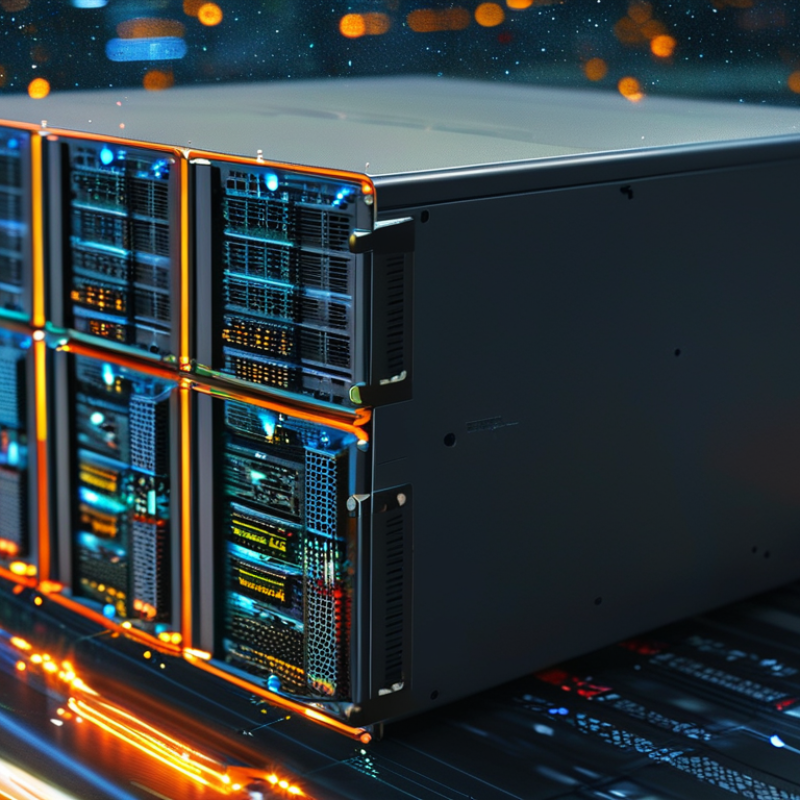
Benefits of Fiber Switches for Network Efficiency
Fiber switches are rapidly becoming essential in today's networking landscape. Their ability to handle high bandwidth is crucial for modern applications. These devices utilize fiber optic technology, which significantly reduces data transmission times. Fiber switches ensure data moves faster between devices, improving overall productivity.
One notable benefit is increased network efficiency. Fiber switches support a higher number of simultaneous connections without performance drops. They also minimize latency, which is vital for real-time communication. In environments where data traffic spikes occur, such as during peak hours, fiber switches handle the load effectively. This feature is especially important for businesses that rely on cloud services or video conferencing tools.
Despite these advantages, organizations may hesitate to adopt fiber switches due to costs or complexity. Transitioning from copper-based systems to fiber optics requires planning and investment. Some teams may lack expertise in managing fiber networks. It's essential to weigh the benefits against these challenges. Organizations should reflect on their long-term needs and whether the initial hurdles are worth the potential gains.
Why Choose a Fiber Switch for Your Network Needs? - Benefits of Fiber Switches for Network Efficiency
| Dimension | Fiber Switch | Copper Switch |
| Speed | Up to 100 Gbps | Up to 10 Gbps |
| Distance | Up to 40 km (standard) | Up to 100 m (typical) |
| Interference | No interference | Susceptible to electromagnetic interference |
| Latency | Lower latency | Higher latency |
| Installation Cost | Generally higher | Generally lower |
| Scalability | Highly scalable | Limited scalability |
Understanding Fiber Optic Technology in Networking
Fiber optic technology revolutionizes networking. It offers high-speed data transmission over long distances. The key is light signals through glass fibers. This method reduces latency and increases bandwidth. Reports indicate fiber can support speeds over 100 Gbps. Traditional copper cables may struggle to reach such rates.
One important aspect is the durability of fiber optics. Unlike copper, fiber is resistant to electromagnetic interference. This means cleaner signals and more reliable connections. According to a recent study, fiber installations have a failure rate below 0.1%. This reliability is crucial for businesses that depend on constant connectivity.
Tips: Consider your growing data demands. Fiber networks can scale efficiently compared to copper. Evaluate your current infrastructure; upgrading may yield significant performance improvements. Remember to factor in installation costs, as they can vary widely. A careful cost-benefit analysis can guide your decision.
Comparative Analysis: Fiber Switches vs. Traditional Switches
When comparing fiber switches to traditional switches, several factors come into play. Fiber switches offer higher bandwidth and faster data transmission speeds. This is crucial for businesses needing efficient communication. In contrast, traditional switches use copper cabling, which may limit performance over long distances. Fiber optics transmit data as light, enhancing speed and reducing latency.
Moreover, fiber switches excel in reliability. They are less susceptible to electromagnetic interference. This makes them ideal for environments with heavy machinery. Traditional switches, while adequate for basic needs, may struggle in such settings. However, fiber switches can be more expensive upfront, making them a consideration for budget-constrained projects.
The transition to fiber technology requires careful planning. Some organizations may encounter challenges in integrating new switches with existing infrastructure. Additionally, training for staff to manage fiber optics is essential. Investing time in training can yield substantial long-term benefits. Fiber technology is not the one-size-fits-all solution, and reflection on specific needs is key to making the right choice.
Key Considerations When Choosing a Fiber Switch
When selecting a fiber switch for your network, several key considerations come into play. First, assess your network's bandwidth requirements. Ensure that the switch can handle the data load, especially if you expect high traffic volumes. A switch with higher port density might suit environments that require numerous connections.
Tip: Always match the switch's capabilities with your current and future network growth plans. This foresight can save you from needing an upgrade soon after deployment.
Consider the switch's management features. Managed switches offer advanced functionalities. They allow for traffic monitoring, network segmentation, and enhanced security settings. However, they can be more complex and might require extra expertise.
Tip: Evaluate your team’s skill set before choosing between managed and unmanaged options. If your team lacks experience, you might face challenges in optimizing the switch.
The physical environment also matters. Ensure the switch fits well in your existing infrastructure. Factors like cooling, power consumption, and space should not be overlooked. An unsuitable switch may lead to overheating or inefficient power use.
Tip: Consider the switch’s design for airflow. A poorly designed system could cause overheating, affecting performance and longevity.
Implementing Fiber Switches in Modern Network Infrastructures
Implementing fiber switches in modern network infrastructures offers significant advantages for both performance and reliability. According to a recent industry report by Markets and Markets, the fiber optic switch market is projected to reach $2.4 billion by 2025. This growth highlights the increasing demand for faster and more efficient data transmission, which fiber switches can universally provide.
One notable advantage of fiber switches is their capability to handle high bandwidth needs. They can support data rates exceeding 100 Gbps, essential for today’s data-heavy applications. This is crucial in environments like data centers or cloud services where high-speed communication is vital. However, transitioning to fiber optics does come with challenges. Installation costs can be higher compared to traditional copper networks, and not every organization is equipped for such a shift.
Moreover, a recent survey by IDC noted that 40% of organizations faced difficulties in training staff on new technologies related to fiber networks. This suggests a gap in expertise that could slow down the adoption of fiber switches. It’s important for companies to assess their readiness for such changes and invest in training to fully utilize these advanced technologies.