How to Choose the Best 60kw EV Charger for Your Needs?
Choosing the right 60kw Ev Charger can be a daunting task. With various models on the market, it's crucial to make an informed decision. Industry expert John S. Matthews says, "A proper evaluation of your charging needs will ensure you select the most efficient 60kw EV Charger." This insight emphasizes the importance of understanding personal requirements before making a purchase.
Consider factors like installation site, vehicle compatibility, and charging speed. Not every 60kw EV Charger will suit every situation. For instance, businesses may need high-capacity models, while individual users might prefer compact designs. Think about your daily driving habits and charging frequency. It's easy to overlook these details but vital for optimal performance.
Reflect on your long-term needs as well. Technology evolves quickly in the EV sector. Choosing a charger that's adaptable to future advancements could save you money. Be cautious of flashy features that may not align with your actual usage. A well-thought-out choice leads to greater reliability and efficiency in the long run. Investing in the right 60kw EV Charger is more than a purchase; it’s a commitment to a sustainable future.
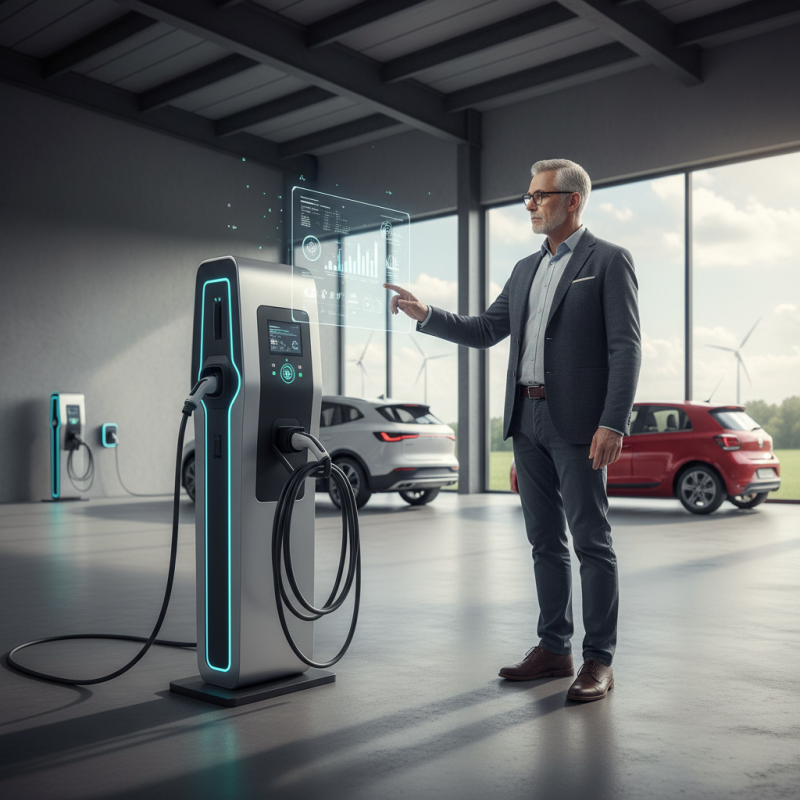
Understanding EV Charging Capacity and Its Importance for 60kW Chargers
Understanding EV charging capacity is essential when selecting a 60kW charger. Charging capacity determines how quickly your vehicle can recharge. A higher capacity usually means quicker charging times, which can be crucial for busy schedules. For example, a 60kW charger can recharge most electric vehicles in one to two hours. This is particularly beneficial for fleet operators or commercial settings.
However, it’s also important to match the charger with your specific vehicle's capabilities. Not all electric vehicles utilize the full charging potential. Some may only accept a lower capacity. Evaluating your vehicle's specifications ensures that you are not over-investing in unnecessary power. This mismatch can lead to wasted resources and frustrations.
Reliability and safety are other vital aspects to consider. Quality chargers are built to withstand varying conditions. Look for models that have passed rigorous testing standards. Sometimes, less known options offer valuable features, but always verify their certifications. Challenging decisions will arise during research. Embrace these as part of the learning process in choosing the right charger for your needs.
How to Choose the Best 60kw EV Charger for Your Needs? - Understanding EV Charging Capacity and Its Importance for 60kW Chargers
| Feature | Description | Importance |
| Charging Speed | 60kW charging speeds can fully charge compatible vehicles in about 1-2 hours. | Faster charging reduces downtime and increases efficiency for EV users. |
| Connector Type | Common connector types include CCS1, CCS2, CHAdeMO. | Compatibility with different vehicles ensures broader usability. |
| Charging Location | Ideal for commercial areas, charging stations, and fleet operations. | Strategic placement maximizes accessibility for EV drivers. |
| User Interface | Easy to use screens, payment options, and user support. | Enhances user experience and encourages usage. |
| Price | Cost ranges significantly based on features and installation. | Budget considerations are crucial for both businesses and individuals. |
Key Features to Consider When Selecting a 60kW EV Charger
Selecting the right 60kW EV charger involves careful consideration of several key features. One important aspect is charging speed. A 60kW charger can fully charge most EVs in under an hour, making it ideal for busy commercial locations. According to the International Energy Agency, around 60% of EV drivers prioritize fast charging. Assess your location's power supply; a robust electrical infrastructure is crucial.
Next, think about compatibility. Ensure that the charger supports various EV models. Reports indicate that versatility significantly enhances user experience. Additionally, consider user interface and connectivity features. Smart chargers allow for remote monitoring and software updates. A recent survey revealed that 75% of users value these high-tech capabilities.
Finally, factor in safety features. Overcurrent protection and automatic shut-off mechanisms are vital. The National Fire Protection Association emphasizes the need for safety standards in EV charging infrastructure. Balancing these elements can feel overwhelming. Take the time to evaluate your specific needs, as the right choice can make a significant difference in efficiency and safety.
Analyzing Charging Speed: How 60kW Chargers Compare to Other Options
When choosing a 60kW EV charger, understanding charging speed is crucial. A 60kW charger can provide significant advantages over other power levels. For instance, it can deliver about 240 km of range in roughly 30 minutes for many EV models. This is particularly beneficial for those who need quick turnarounds. The contrast with 22kW chargers is stark; they typically deliver half the range in the same timeframe.
According to a recent industry report, the adoption of 60kW chargers is expected to rise significantly, driven by the growing demand for faster charging solutions. Many EV users now prefer rapid charging during short stops. However, it's essential to consider the compatibility of your vehicle with such charging rates. Some models may not support the maximum output. This inconsistency can lead to frustrations if users expect quick charging but find their vehicle limited.
Moreover, while 60kW chargers provide speedy solutions, they can stress the battery more than slower options. Battery longevity may decline with frequent fast charging, raising concerns among users focused on battery health. Balancing speed and battery care is an ongoing challenge for many drivers and industry professionals. It's crucial to verify data and consult studies when evaluating chargers. This ensures that choices align with both personal needs and vehicle specifications.
Cost vs. Performance: Evaluating the ROI of a 60kW EV Charger
When evaluating the ROI of a 60kW EV charger, consider both cost and performance. The initial investment can be substantial. Installation expenses, equipment costs, and electrical upgrades must be calculated. Moreover, operational efficiency significantly impacts long-term expenses. A reliable charger can reduce energy bills through optimized charging capabilities.
Performance metrics such as charging speed and reliability directly affect user satisfaction. A well-performing charger minimizes downtime. However, not every high-capacity charger ensures peak efficiency. It's essential to assess battery management and energy consumption. An underperforming charger can lead to wasted energy, negating any cost benefits. Expecting perfect efficiency can lead to frustration. Analyze available data to pinpoint real performance.
Understanding the local market conditions is critical. Energy tariffs fluctuate, influencing the overall ROI. Sometimes, a lower upfront cost charger may perform better in specific areas, leading to savings. Researching these aspects can inform better purchasing decisions. Always weigh performance against anticipated energy use patterns. Accurate projections can shift the perceived value of your investment. Each situation demands a tailored approach.
Cost vs. Performance of 60kW EV Chargers
Compatibility: Ensuring Your 60kW Charger Works with Your EV Model
When selecting a 60kW EV charger, compatibility with your electric vehicle (EV) model is paramount. A 2023 industry report suggests that mismatched chargers can lead to inefficiencies. Not all EVs accept high-power charging. Some models, for instance, are limited to lower charging rates. This could hinder your charging experience.
To ensure compatibility, check the vehicle's specifications. Most manufacturers provide detailed information on the maximum charging capacity. If your EV supports only up to 22kW, a 60kW charger may not be beneficial. It's essential to match the charger's output with your vehicle's acceptance rate. This consideration can save time and energy.
Numerous EV users have reported difficulties when upgrading chargers without checking compatibility first. According to a survey by EV Infrastructure Experts, about 30% of users faced charging issues. Selecting the right charger involves more than just power ratings. It's about understanding the technology and how it aligns with your specific EV model.