
10 Best LED Outdoor Headlamps for Wholesale Buyers
Choosing the right Led Outdoor Headlamp can shape product returns, customer reviews, and repeat wholesale orders. Wholesale buyers need more than a bright beam and attractive packaging. They need dependable performance across camping, maintenance, hiking, emergency, and industrial-use settings.
This guide examines ten outdoor headlamps through practical purchasing criteria. We consider beam distance, brightness control, battery life, charging options, comfort, water resistance, and switch design. We also look at packaging quality, minimum order quantities, sample policies, warranty support, and supplier communication. A headlamp may advertise 1,000 lumens, yet measured performance can differ. That gap deserves attention.
Real-world details matter. A secure strap should remain stable during repeated movement. A useful beam should illuminate both a nearby toolbox and a distant trail. Charging ports should resist dust and everyday handling. Buyers should request samples before committing to large quantities. Product photos alone are not enough.
Testing reveals weaknesses.
Our evaluation combines product specifications, hands-on observations, and common wholesale concerns. Some models may offer excellent brightness but limited runtime. Others may feel comfortable but lack flexible beam adjustment. No product fits every market perfectly. This guide therefore avoids exaggerated promises and highlights practical trade-offs. It helps importers, distributors, retailers, and promotional buyers compare options with clearer expectations. Reliable supplier documentation and consistent quality control remain essential for building a stable product line.
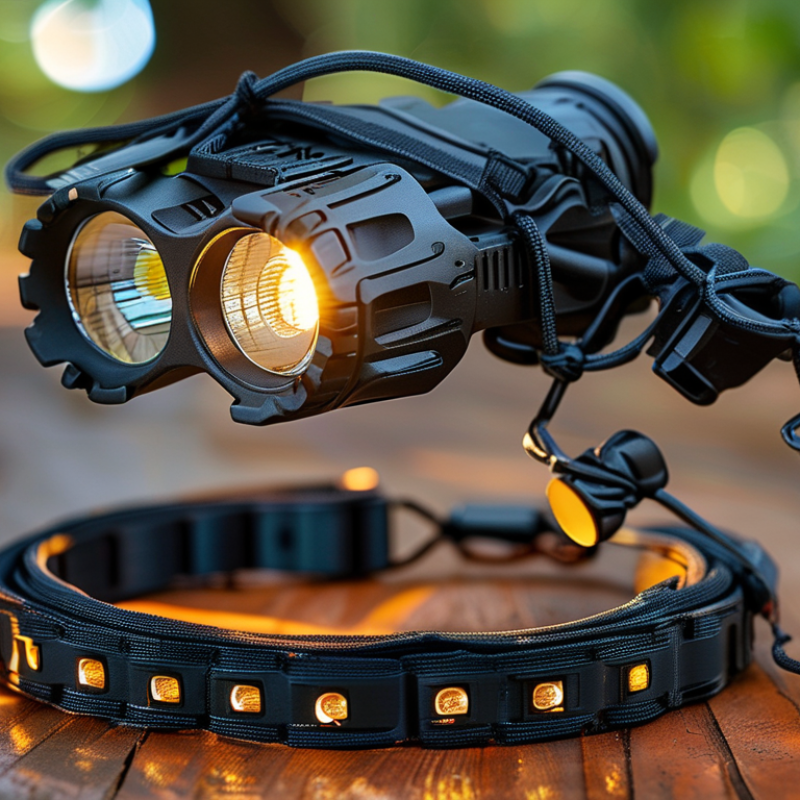
LED Outdoor Headlamps: Purpose, Design, and Wholesale Applications
LED outdoor headlamps support hands-free work in campsites, gardens, warehouses, and emergency maintenance. They combine a light source, head strap, housing, switch, and power system. Field experience shows that brightness alone does not determine usefulness. A focused beam helps users inspect distant trails, while a wide beam illuminates tools and nearby ground. Adjustable tilt also reduces neck movement during detailed tasks.
Design quality affects comfort and purchasing decisions. A balanced headlamp should stay steady when users bend, climb, or carry equipment. Soft, washable padding can reduce pressure during long shifts. Moisture resistance is essential for rain and damp storage, but buyers should verify tested protection ratings. Battery options deserve close attention. Rechargeable cells reduce repeated replacement, while replaceable batteries may suit remote work. Neither choice fits every market.
Wholesale buyers often serve outdoor retailers, contractors, camping suppliers, and municipal maintenance teams. They should request beam measurements, runtime data, charging details, and material specifications before placing large orders. Small batch testing can reveal loose straps, difficult switches, or weak charging ports. A brighter lamp is not always better. Excessive glare may tire users or reduce visibility nearby. One weakness remains: published runtime can change sharply in cold weather. I would test samples at low temperature before making firm delivery promises. Packaging should protect the lamp, explain operation clearly, and support safe storage.
10 Best LED Outdoor Headlamps for Wholesale Buyers - LED Outdoor Headlamps: Purpose, Design, and Wholesale Applications
| No. | Headlamp Type | Typical LED Output | Beam Distance | Power Source | Typical Runtime | Water Resistance | Product Weight | Recommended Wholesale Applications | Key Buying Advantage |
|---|---|---|---|---|---|---|---|---|---|
| 1 | Compact Everyday Headlamp | 150–250 lm | 50–80 m | 2–3 AAA alkaline or Ni-MH batteries | 4–20 h | IPX4 | 55–85 g | Camping starter kits, household emergency products, retail multipacks | Low unit cost and simple battery replacement |
| 2 | USB-C Rechargeable Trail Headlamp | 300–500 lm | 80–120 m | Built-in 1,000–2,000 mAh lithium-ion battery | 3–15 h | IPX4–IPX6 | 75–110 g | Hiking, travel, outdoor accessory stores, subscription gear boxes | Rechargeable design reduces recurring battery purchases |
| 3 | High-Lumen Hiking Headlamp | 600–1,000 lm | 120–180 m | 1,800–3,500 mAh rechargeable lithium-ion battery | 2–12 h | IPX6–IPX7 | 100–160 g | Backpacking, mountain hiking, adventure-tour operators, outdoor rental kits | Strong brightness-to-weight ratio for demanding trails |
| 4 | Long-Range Spot-Beam Headlamp | 500–900 lm | 180–300 m | 2,000–3,500 mAh rechargeable battery, often rear-mounted | 3–18 h | IPX6–IPX7 | 150–230 g | Night navigation, search activities, hunting and observation equipment | Focused beam supports long-distance visibility |
| 5 | Wide-Beam Floodlight Headlamp | 300–700 lm | 40–100 m | Rechargeable lithium-ion battery or 3 AAA batteries | 3–25 h | IPX4–IPX6 | 80–140 g | Camp setup, cooking, maintenance, utility and general outdoor work | Even close-range illumination with fewer dark spots |
| 6 | Red-Light Preservation Headlamp | 200–500 lm white light; 1–10 lm red light | 60–120 m | 2–3 AAA batteries or 800–1,500 mAh rechargeable battery | 5–30 h | IPX4 | 60–105 g | Astronomy, fishing, wildlife observation, overnight camping | Red mode helps preserve night vision and reduces campsite disturbance |
| 7 | Motion-Sensor Hands-Free Headlamp | 250–600 lm | 70–130 m | 1,200–2,000 mAh rechargeable lithium-ion battery | 3–16 h | IPX4–IPX5 | 80–125 g | Running, cycling, warehouse tasks, outdoor maintenance and repair kits | Touch-free operation is useful when wearing gloves |
| 8 | Weatherproof Work Headlamp | 400–800 lm | 90–160 m | 2,000–4,000 mAh rechargeable battery | 3–20 h | IP67 | 120–190 g | Construction, utilities, roadside assistance, industrial service teams | Dust-tight and protected against temporary water immersion |
| 9 | Cold-Weather Outdoor Headlamp | 300–700 lm | 80–150 m | Replaceable lithium or lithium-ion battery pack | 3–18 h | IPX4–IPX6 | 95–170 g | Skiing, snow camping, winter sports and cold-region emergency kits | Rear battery placement can improve balance and glove-friendly use |
| 10 | Dual-Light Emergency Headlamp | 100–400 lm white light; red safety light | 40–100 m | 2–3 AAA batteries or 1,000–2,000 mAh rechargeable battery | 4–30 h | IPX4–IPX6 | 65–120 g | Emergency preparedness, vehicle kits, disaster relief and outdoor safety packs | Multiple light modes support navigation, signaling and close work |
Note: Specifications shown are representative wholesale ranges for common LED outdoor headlamp configurations. Actual brightness, runtime, beam distance, battery capacity and ingress protection should be confirmed through product testing and supplier documentation.