
10 Best Fitted Baseball Caps for Wholesale Buyers?

Choosing Fitted Baseball Caps for wholesale is not just a style decision. Buyers must balance fit, material, construction, pricing, and dependable supply. A cap may look sharp in a product photo, yet feel tight after hours of wear. Small details matter. Crown height, panel shape, sweatband softness, and brim stiffness can change how a design works for different customers.

This guide compares ten options through practical buying considerations, including size range, fabric weight, stitching quality, color consistency, and customization potential. It also highlights questions worth asking suppliers about samples, minimum order quantities, production timelines, and packaging. These details help buyers compare products before committing to a larger order. A sample is useful. It is not a guarantee of every production run, so repeat checks still matter.

There is no single cap that suits every store or audience. Some buyers need lightweight styles for warm-weather promotions; others prefer structured crowns and durable embroidery for team merchandise. The best choice depends on customer preferences, target price, and how consistently a supplier can deliver. Not every comparison will produce a clear winner. That is worth admitting. Use the picks as a starting point, then confirm fit and finish with physical samples before placing a wholesale order.
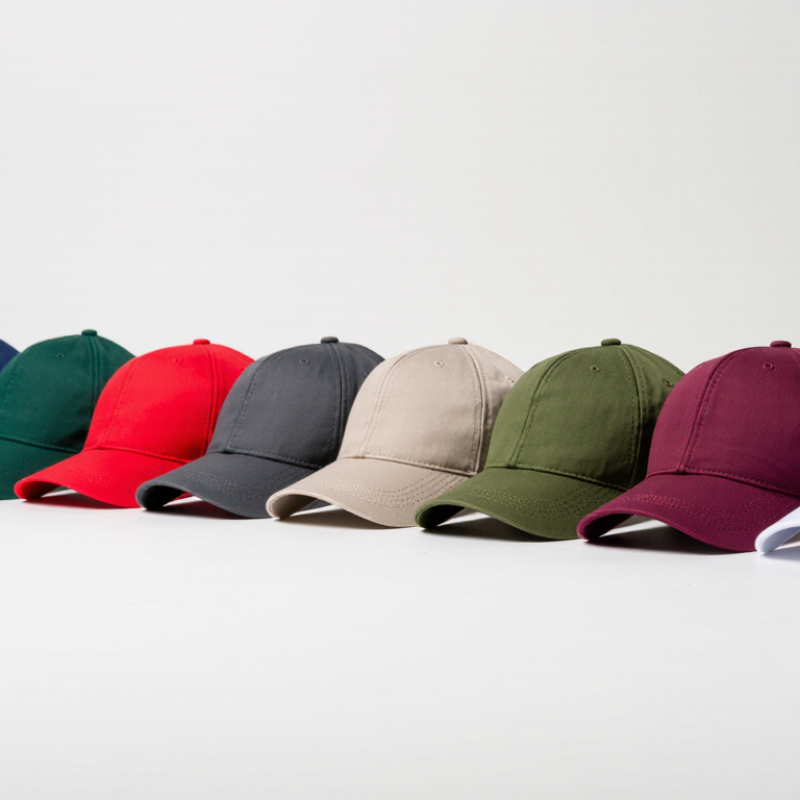
10 Best Fitted Baseball Caps for Wholesale Buyers?

Define Fitted-Cap Construction: 6-Panel Builds, Crown Profiles, and Visors

A fitted cap has no adjustable back strap, so accurate sizing starts with head measurements and consistent grading between sizes. Many styles use six fabric panels joined around the crown, with seams meeting at the top button. Panel shape affects how smoothly the crown sits, while seam placement can create pressure points if stitching is bulky. Small details matter. Eyelets may be embroidered or finished with metal, and their placement can influence airflow and appearance. Crown profiles are commonly described as low, mid, or high, but these terms are not fully standardized. Compare actual crown height and try-on fit rather than relying on labels alone.

The visor usually contains a stiffening insert and may arrive flat or pre-curved. Its width, curve, and attachment stitching change the cap’s balance and everyday feel. For wholesale evaluation, inspect whether the visor sits evenly and whether the crown holds its shape after handling. A sample can look neat on a table yet feel tight at the temples. That is worth noting. Check several sizes on different head shapes, and record measurements before approving production. Fit preferences vary, and a specification sheet cannot replace a real fitting.

Set Fabric Checks with ASTM D5034 and GSM Measurements

For wholesale fitted baseball caps, fabric checks should begin before a sample is approved. Ask suppliers for the fabric composition, GSM, and test results for each main material. GSM means grams per square metre; it helps compare fabric weight across samples. It does not prove durability by itself. A heavier fabric can still feel stiff or lose shape after repeated wear.

ASTM D5034 measures textile breaking strength using a grab test. Request results for both lengthwise and crosswise directions, since woven fabrics may perform differently across the grain. Check which fabric was tested, how many specimens were used, and whether the report matches the production material. Keep a retained sample from the approved lot. Small changes in yarn, finish, or dyeing can affect results.

Check the details, too. A cap panel may use a different fabric from its sweatband or visor covering, so one GSM figure may not describe the whole cap. Compare hand feel, seam stability, and shape retention on finished samples. Useful, but not the full picture. Test figures cannot predict every fit issue, and I would treat them as screening evidence, not a guarantee. That distinction is easy to miss.

10 Fitted Baseball Cap Fabric Options for Wholesale Buyers

Illustrative sourcing targets for comparing fabric weight and grab strength across common cap-fabric constructions.

These figures are example buyer-defined targets, not lab results, universal specifications, or ASTM pass/fail limits. Confirm requirements with suppliers and test production-lot samples. ASTM D5034 describes the grab tensile-strength test method; fabric mass per unit area can be measured using ASTM D3776.

Match Head Circumference in Centimeters to Published Size Charts

For fitted-cap wholesale orders, measure head circumference before choosing a size. Place a flexible tape just above the eyebrows and ears, keeping it level around the widest part of the head. Record the result in centimeters, then compare it with the supplier’s published size chart. Do not assume that “medium” means the same measurement across factories. Small chart differences can leave buyers with a costly batch that fits poorly.

The U.S. Army’s 2012 Anthropometric Survey of Army Personnel (ANSUR II) reports average head circumferences of about 57.7 cm for men and 55.2 cm for women in its surveyed adult military population. These figures are useful reference points, not universal sizing targets: the sample is specific, and civilian customers vary. Ask suppliers for the measurement ranges behind each size, plus cap samples for fit checks. A chart alone cannot show how crown depth, fabric stiffness, or hair affects comfort. That is easy to overlook.

Tips: Measure several intended wearers, not just one. Compare each result with the chart’s actual centimeter range, and note borderline measurements. Test a sample at the smallest and largest expected head sizes before confirming quantities. Keep the measurement method consistent across your team; even a slightly tilted tape can shift the result.

Compare 10 Top Fitted Caps by Fit, Materials, Decoration, and Wholesale Cost

A useful wholesale comparison starts with fit, not appearance. Measure sample head sizes before ordering; fixed-size caps can create costly leftovers. The low-profile cotton-twill cap feels soft and suits casual embroidery, while the structured polyester cap holds a sharper front panel. A wool-blend cap offers a denser, warmer feel but usually sits in a higher cost tier. The stretch-fit cap accommodates small sizing differences, though its elastic blend may raise unit cost. Fit varies.

For warmer conditions, moisture-wicking polyester and lightweight performance fabric dry quickly and support detailed stitching, but can feel less substantial. A mesh-back fitted cap improves airflow; check that the crown and back panels still use consistent sizing. Recycled polyester may appeal to sustainability-minded buyers, though documentation and yarn availability can affect pricing. Heavyweight canvas gives embroidery a sturdy base, but its weight may not suit every season. A fine-gauge knit cap feels softer and more flexible, yet dense decoration can distort the surface. Not always.

Decoration affects both appearance and cost. Embroidery is durable, but dense fills add stitches, labor, and weight; small lettering may lose clarity. Compare samples for seam placement, crown shape, fabric recovery, and color consistency. Request wholesale quotes at several quantities, including setup charges, size assortments, and production lead times. A low unit price can hide limited sizing or weak stitching. I would not choose from a photo alone; real samples can expose flaws that specifications miss.

Assess MOQ, Lead Times, and Reorder Reliability Before Placing Bulk Orders

For wholesale fitted caps, a low unit price means little if the minimum order quantity (MOQ) leaves you with unwanted sizes or colors. Ask suppliers to state MOQ per style, color, and size run, plus any setup minimums for embroidery. Request a size breakdown before approving production. A sample can reveal whether the crown holds its shape and the closure fits your intended customers.

Treat lead time as separate stages: sampling, production, inspection, and freight. UNCTAD reported that container ship transits through the Suez Canal fell 67% in early 2024 amid shipping disruptions. That figure is not a cap-specific forecast, but it shows why a quoted factory date alone is not a reliable arrival estimate. Get dates in writing, and ask how delays are communicated.

Tips: Request records from the supplier’s last three comparable orders: promised versus actual ship dates, defect rates, and reorder quantities. Confirm whether repeat orders use the same fabric, panels, and sizing tolerances. A reliable partner should explain what changes when materials run short. Keep a modest buffer for proven best-selling sizes; guessing wrong is still possible.

10 Best Fitted Baseball Caps for Wholesale Buyers? - Assess MOQ, Lead Times, and Reorder Reliability Before Placing Bulk Orders

Indicative sourcing benchmarks for planning purposes, not supplier-specific quotations. MOQs and lead times vary by fabric availability, customization, order volume, and production location. Reorder outlook is a qualitative estimate based on material and construction complexity, not verified supplier performance.

Rank Fitted Cap Type Typical Materials & Build Common Size Range Indicative MOQ Indicative Production Lead Time Reorder Outlook Wholesale Buyer Consideration
1 Classic structured six-panel Cotton twill or cotton-poly twill; buckram front panels; stitched eyelets Multiple fitted sizes, commonly about 6⅞–7⅝ About 100–300 units per color for stock-body customization; higher for custom fabric 3–5 weeks for stock body; 6–10 weeks for custom development High — widely used materials and standard construction A versatile core style. Approve size grading and crown shape before bulk production.
2 Performance fitted cap Polyester or nylon performance fabric; moisture-management finish; often lightweight Multiple fitted sizes, commonly about 6⅞–7⅝ About 150–400 units per color, depending on fabric and finish availability 4–7 weeks for available fabric; 7–11 weeks for custom fabric or finish High–Medium — good if the same fabric specification remains available Request abrasion, colorfastness, and sweatband testing for active-use programs.
3 Wool-blend fitted cap Wool-polyester blend or comparable suiting-style fabric; structured crown Multiple fitted sizes, commonly about 6⅞–7⅝ About 200–500 units per color; custom blends may require more 5–8 weeks for stocked blends; 8–12 weeks for custom fabric Medium — dependent on blend, color, and fabric-lot continuity Confirm fiber content, fabric weight, and shade tolerance in the purchase specification.
4 Low-profile fitted cap Cotton twill or washed cotton; softer, shallower crown construction Multiple fitted sizes; fit can differ notably from structured patterns About 100–300 units per color with an existing pattern 3–6 weeks for an existing pattern; 6–9 weeks if pattern development is needed High–Medium — repeatable when pattern and wash process are controlled Use a fit sample; crown depth and head opening affect perceived size significantly.
5 Recycled-polyester fitted cap Recycled polyester fabric; structured or semi-structured crown Multiple fitted sizes, commonly about 6⅞–7⅝ About 200–500 units per color; certification and traceability requests may affect MOQ 5–8 weeks with available certified fabric; longer for special colors Medium — depends on repeat access to matching certified material Request transaction documentation if recycled-content claims are part of the product brief.
6 Water-resistant fitted cap Treated polyester or nylon shell; optional taped seams or water-resistant lining Multiple fitted sizes; construction and lining can affect fit About 200–500 units per color, depending on treatment and component sourcing 5–9 weeks; special treatments may add production and testing time Medium — repeatability depends on treatment consistency and material supply Define the intended water-resistance test; “water-resistant” is not the same as waterproof.
7 Unstructured cotton fitted cap Cotton twill or canvas; minimal front-panel reinforcement Multiple fitted sizes; softer fit may require extra size sampling About 100–300 units per color with a standard fabric 3–6 weeks for stocked fabric; 6–9 weeks for custom color or finish High–Medium — simple build, with fabric and wash consistency to monitor Check whether the crown keeps its intended shape after packing and repeated wear.
8 Mesh-panel fitted cap Cotton or polyester front panels with mesh side or rear panels; fixed fitted opening Multiple fitted sizes; mesh stretch and panel layout affect fit About 150–400 units per color combination 4–7 weeks for standard materials; longer for custom mesh colors Medium — depends on matching mesh shade, stretch, and panel materials Approve the full color combination, not just the front fabric swatch.
9 Waxed-cotton fitted cap Waxed or coated cotton shell; structured or semi-structured crown Multiple fitted sizes; coating can change hand feel and fit About 250–600 units per color, depending on coating supplier and treatment 6–10 weeks; coating and finishing stages can extend production Medium–Low — specialized finishes and lot variation need close control Set acceptable variation for color, surface finish, and coating feel before ordering.
10 Custom jacquard fitted cap Custom woven pattern or logo fabric; structured panels and coordinated trim Multiple fitted sizes; custom fabric may need separate size and shrinkage checks About 300–800 units per design or color, subject to mill minimums 8–14 weeks, including fabric development, approval, and cap production Medium–Low — repeatability relies on retaining the same fabric specification and tooling Best suited to differentiated programs with sufficient volume to absorb development costs.

Before placing a bulk order, request a production sample, confirm the size set and measurement tolerances, document material and color specifications, and agree on reorder pricing, approval steps, and production capacity in writing.