Top 10 Benefits of Printed Circuit Board Assembly for Buyers?
In today’s fast-paced electronics industry, the role of printed circuit board assembly (PCBA) cannot be overstated. This critical process forms the backbone of modern electronic devices, enabling efficient performance and reliability. According to a market research report by Mordor Intelligence, the global PCBA market was valued at approximately $103 billion in 2020 and is expected to grow at a CAGR of around 6.4% through 2026. This significant growth indicates rising demand from sectors like automotive, healthcare, and consumer electronics.
Printed circuit board assembly offers numerous advantages to buyers. One key benefit is the increased efficiency in production. Manufacturers can reduce assembly time through automated processes. However, not all companies leverage this technology effectively. Many still rely on manual labor, leading to inconsistencies in quality. The best PCBAs are those that blend automation with skilled oversight.
Moreover, PCBA allows for miniaturization of devices, a trend driven by market demand for smaller electronics. A 2019 study highlighted that miniaturized electronics improve functionality while saving space. Yet, as devices become more compact, challenges such as thermal management and signal integrity arise, requiring higher expertise in assembly practices. Buyers must consider these factors when choosing PCBA services. Recognizing the complexities of printed circuit board assembly is essential, as it directly impacts product success in a competitive landscape.
Benefits of Enhanced Reliability through PCB Assembly Quality Control
Printed Circuit Board Assembly (PCBA) plays a crucial role in the electronics industry. Enhanced reliability is one of the main benefits of high-quality PCB assembly. A report from IPC indicates that over 50% of electronic failures originate from poor soldering practices. Effective quality control measures during PCB assembly can reduce these failures significantly.
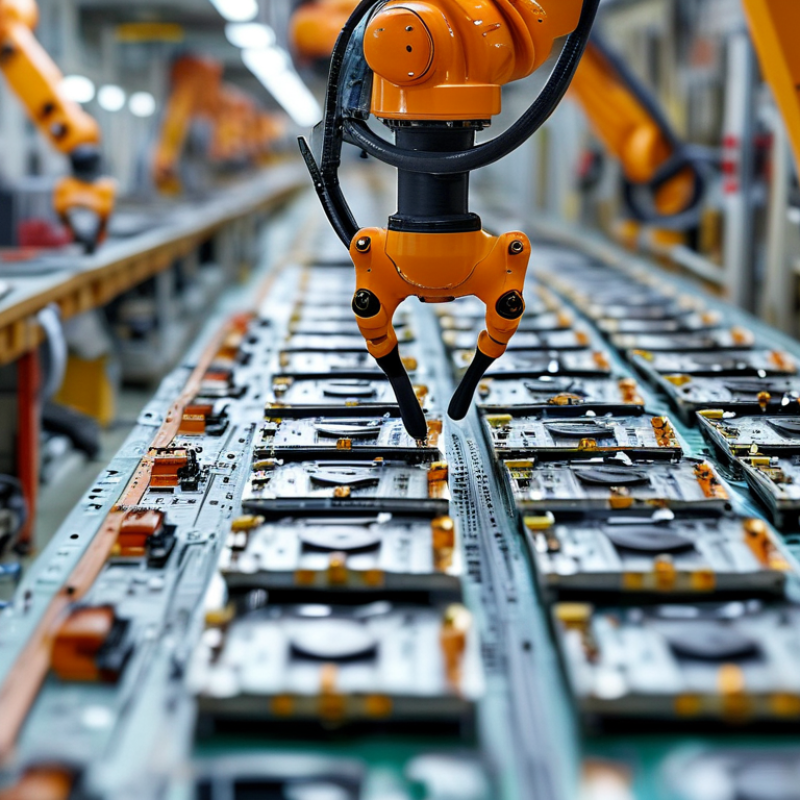
Robust quality controls involve meticulous inspections. Automated optical inspection (AOI) systems can identify defects early. These systems reportedly increase defect-detection rates by 95%. Implementing consistent quality assurance protocols ensures that each component meets stringent standards. This minimizes the risk of field failures, which can lead to costly recalls and damaged reputations.
Investing in PCBA quality control is essential for reliability. Procedures like environmental testing improve performance statistics. A study shows that devices undergo 30% fewer failures when subjected to rigorous testing. Yet, companies must reflect on their practices. Failing to adapt to emerging technologies can leave gaps in quality. Continuous improvement is vital in maintaining reliability.
Top 10 Benefits of Printed Circuit Board Assembly for Buyers
This chart illustrates the top 10 benefits of Printed Circuit Board (PCB) assembly for buyers, highlighting the significance of each benefit in terms of importance. The benefits range from enhanced reliability and quality control to cost efficiency and faster production time, underscoring the value of PCB assembly in today’s manufacturing landscape.
Cost-Effectiveness: Reducing Manufacturing Costs with PCB Assembly
Cost-Effectiveness is a major advantage of Printed Circuit Board (PCB) Assembly for buyers. According to industry reports, companies can save up to 30% in manufacturing costs when opting for PCB assembly. This reduction in costs stems from economies of scale, where bulk production significantly lowers material and labor expenses. Streamlined processes also contribute to these savings, allowing manufacturers to optimize their operations efficiently.
Investing in PCB assembly can lead to faster time-to-market. A study from the IPC states that companies utilizing automated assembly lines can increase production speed by 50%. This means that products reach consumers more quickly, addressing market demands promptly. Moreover, lower costs can be reinvested into R&D, fostering innovation.
Tip: Partner with experienced assembly providers. They can guide you in selecting the right materials, avoiding costly mistakes.
However, the quality of components should not be compromised for cost savings. Lower-quality materials may lead to failures and increased warranty claims. According to research, roughly 10-20% of PCB defects result from inferior quality components. This can negate any initial savings by increasing long-term costs.
Tip: Prioritize compatible materials. Ensure that all components work seamlessly together for optimal performance.
Time Efficiency: Accelerating Product Time-to-Market with PCBs
Time efficiency is a crucial factor in today’s fast-paced market.
Printed Circuit Board Assembly (PCBA) helps businesses reduce their product time-to-market.
By leveraging efficient assembly processes, companies can bring their innovations to life quicker. This speed can translate to a competitive edge in crowded industries.
The streamlined assembly process allows for faster prototyping and testing. Engineers can iterate on designs without extensive delays.
Fewer production times mean products hit the shelves sooner, addressing consumer demand more effectively. However, this acceleration does come with challenges.
Rushed timelines can lead to oversights. Thorough checks remain essential to maintain quality amid speed.
Balancing speed with diligence is necessary for long-term success.
Additionally, companies need to vet their assembly partners carefully.
Not all providers offer the same efficiency levels. Some may cut corners to deliver faster, which compromises reliability.
Buyers should prioritize suppliers with proven track records in both speed and quality.
This ensures that while products reach consumers quickly, they also meet the required standards.
The focus should always be on building trust and reliability in the assembly process.
Customization Options: Tailoring PCB Designs for Specific Applications
Printed Circuit Boards (PCBs) are critical components in modern electronics. One of the key advantages of PCB assembly is customization. Every product has its unique requirements. Tailoring PCB designs ensures they meet specific applications perfectly. This flexibility allows designers to choose materials, layouts, and functionalities that align with their goals.
Customization options are vast. Users can decide on the thickness, size, and shape of their boards. Specialized features like blind vias or increase in layers enhance functionality. This approach can lead to better performance, but it requires careful planning and collaboration. Miscommunication can result in designs that fall short of expectations.
Designing a PCB is not just about aesthetics. It involves understanding electrical properties and thermal management. Every choice impacts the overall performance. Buyers must engage deeply with manufacturers to ensure their needs are addressed. The complexity of PCB design can be daunting. Seeking expert guidance can help navigate these challenges effectively.
Lower Defect Rates: Impact of Automated Assembly on Product Quality
Automated assembly in printed circuit board (PCB) manufacturing has transformed product quality expectations. With the advancement of technology, machines consistently outperform human labor in precision. This reduction in human error significantly lowers defect rates. As a result, companies experience fewer returns and recalls, which can threaten brand reputation.
Increased precision leads to better alignment of components. When parts are accurately placed, the risk of short circuits or other issues diminishes. However, reliance on automation isn't without flaws. Occasionally, machines may misinterpret instructions or malfunction, leading to production delays. This paradox underlines the importance of human oversight in automated processes.
Regular maintenance and updates of assembly equipment can help mitigate these issues. Companies that adapt to evolving technology maintain high standards. However, the quest for perfection may sometimes overlook small imperfections. Striking a balance between automation reliability and human intuition is crucial. Continuous improvement is essential to ensure product quality meets the highest standards.
Top 10 Benefits of Printed Circuit Board Assembly for Buyers
| Benefit |
Description |
Impact on Quality |
Defect Rate Improvement (%) |
| Lower Defect Rates |
Automated assembly reduces human error. |
Significant improvement in consistency. |
30% |
| Increased Efficiency |
Faster production cycles due to automation. |
Higher output rates without compromising quality. |
20% |
| Cost Reduction |
Lower labor costs through automation. |
Reduced overall production costs. |
25% |
| Scalability |
Easily adjustable production for varying volumes. |
Consistent quality at any scale. |
15% |
| Enhanced Precision |
Machines can place components with high accuracy. |
Better component alignment and soldering. |
10% |
| Quality Assurance |
Automated quality checks during assembly. |
Early detection of issues before final inspection. |
5% |
| Material Optimization |
Efficient use of materials with minimal waste. |
Contributes to overall product quality. |
8% |
| Flexibility in Design |
Easier adaptation to new designs and technologies. |
Ensures product relevance and competitiveness. |
12% |
| Time-to-Market Improvement |
Faster transitions from prototype to production. |
Maximizes market opportunities. |
18% |
| Improved Reliability |
Consistent quality leads to more reliable products. |
Enhances customer satisfaction and trust. |
22% |