What is Auto Laser Software and How Can It Benefit You?
In recent years, Auto Laser Software has emerged as a vital tool in various industries, including manufacturing and design. According to a report by MarketsandMarkets, the demand for laser technology solutions is projected to grow at a CAGR of 5.2% by 2026. This growth is attributed to the increasing need for precision and efficiency across sectors. Auto Laser Software enhances the capabilities of traditional laser systems, allowing users to automate processes that were once manual and time-consuming.
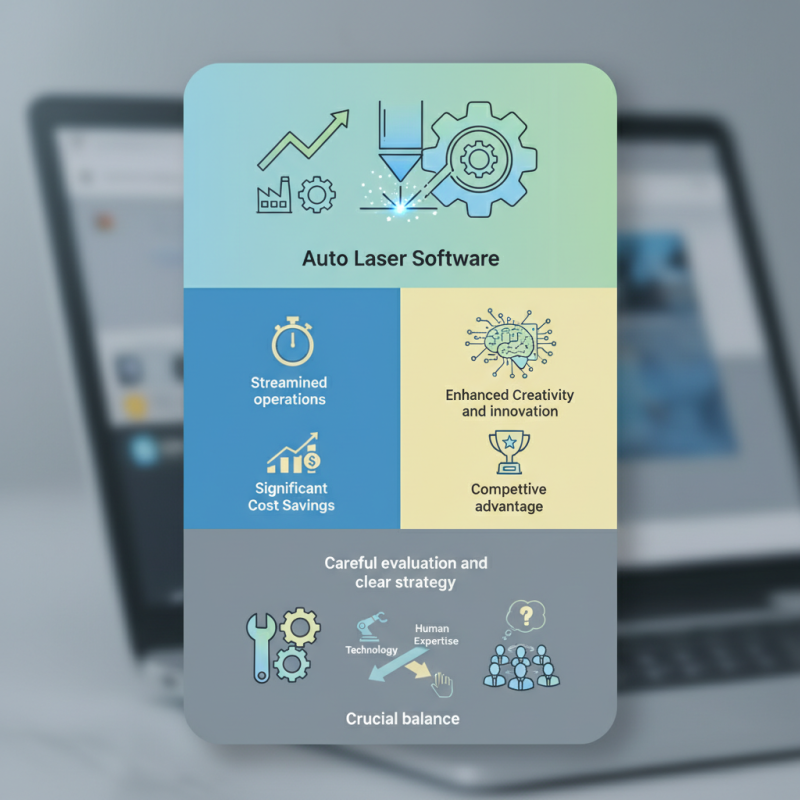
This technology streamlines operations, reduces waste, and improves accuracy. Businesses that adopt Auto Laser Software can achieve significant cost savings. However, not all companies fully integrate this technology. Some fail to understand its full potential or underestimate its impact on production efficiency. Thus, careful evaluation and a clear strategy for implementation are essential.
With the right approach, Auto Laser Software not only boosts productivity but also enhances creativity in design processes. The integration of this software can lead to innovations that distinguish a brand in a competitive market. Nonetheless, companies must also be prepared to address challenges in training and adaptation. Balancing technology and human expertise is crucial for maximizing benefits.
What is Auto Laser Software?
Auto Laser Software is a cutting-edge tool designed for laser engraving and cutting processes. It streamlines various aspects of the workflow, making the production more efficient. This software allows users to create intricate designs with precision in less time compared to manual methods. Its user-friendly interface attracts both experts and beginners alike.
One of its key features is the ability to customize settings for different materials. Users can adjust power levels, speed, and frequency to get the desired results. This makes it versatile, accommodating a range of applications from wood to acrylic. However, the learning curve can be steep for those unfamiliar with laser technology. Misconfigurations can lead to subpar results, requiring careful adjustments and experimentation.
Moreover, integration with other design software enhances its use. Users can import files seamlessly, simplifying the design process. This synergy is valuable in a fast-paced environment where time is money. Despite its advantages, the reliance on technology can create challenges. An unexpected software crash might halt production, emphasizing the need for reliable backups and contingency plans. Overall, while Auto Laser Software offers numerous benefits, users must remain vigilant and adaptable.
What is Auto Laser Software and How Can It Benefit You?
| Feature | Description | Benefits |
| User-Friendly Interface | Easy to navigate, designed for all skill levels. | Reduces training time and improves accessibility. |
| Precision Control | Allows fine adjustments for laser settings. | Enhances the quality of finished products and reduces waste. |
| Template Library | Pre-designed templates for various applications. | Saves time in design and setup processes. |
| Real-Time Monitoring | Tracks the laser operation during use. | Ensures quality control and timely adjustments. |
| Compatibility | Works with various laser cutting and engraving machines. | Increases versatility and reduces the need for multiple software tools. |
Key Features of Auto Laser Software
Auto Laser Software offers a range of features that streamline laser cutting and engraving processes. One of the key aspects is its compatibility with various materials such as wood, metal, glass, and acrylic. Reports indicate that users have experienced a 30% reduction in production time after adopting this technology. This efficiency means businesses can meet increasing customer demands more quickly.
Another vital feature is the precision it provides. A study by the Advanced Manufacturing Research Consortium highlighted that laser software can achieve tolerances of less than 0.1 mm. This level of accuracy is crucial in industries like automotive and aerospace, where precision is non-negotiable. Users have reported fewer errors and less waste, contributing to overall cost savings.
However, not all experiences with Auto Laser Software are flawless. Some users mention a steep learning curve associated with advanced features. Feedback suggests that while the software can enhance output quality, the initial setup requires dedicated training. Regular updates can also complicate user experience, as changes may alter familiar workflows. Balancing these challenges with the software's benefits is essential for users aiming to maximize productivity and precision.
Benefits of Auto Laser Software
Industries That Benefit from Auto Laser Software
Auto Laser Software is transforming how industries operate. Many sectors are leveraging this technology for efficiency and precision. Notably, the manufacturing sector stands to benefit significantly. A recent report indicated that over 65% of manufacturers are integrating automation to enhance production quality. This software aids in more consistent laser cutting and engraving, minimizing human error and maximizing output.
The automotive industry also sees great advantages. Laser processes improve material handling and design flexibility. By implementing Auto Laser Software, automotive manufacturers can reduce waste by up to 30%. This reduction not only cuts costs but also supports sustainability initiatives. Whether it's for cutting sheet metal or engraving intricate designs, the benefits are clear.
Tips: Consider regular training for staff to maximize software effectiveness. Also, maintain equipment and update software versions to ensure optimal performance. Regular audits of your processes can reveal areas for improvement. Such reflection can drive innovation and help in adapting to changes in technology or consumer demand.
How to Choose the Right Auto Laser Software for Your Needs
Choosing the right auto laser software is crucial for maximizing efficiency and effectiveness in laser applications. A well-selected software can streamline workflows and enhance precision. According to a report by Technavio, the global laser technology market is projected to grow at a CAGR of 5.7%, underscoring the increasing importance of advanced software solutions in this sector.
When selecting auto laser software, consider factors like user interface, compatibility, and functionality. A more intuitive interface can reduce training time by up to 30%, improving productivity. Involve your team in the selection process. Their insights can reveal which features are most valuable and may even highlight potential shortcomings in your initial choices.
Support and updates from software providers are vital. Effective software should adapt to new technologies and user needs. A survey from the Laser Institute of America indicates that 78% of users value ongoing support significantly. Regular updates not only enhance security but also improve overall functionality. Look for options that offer robust customer support and a clear roadmap for future developments.
Future Trends in Auto Laser Software Technology
The future of auto laser software technology is evolving rapidly. As industries adopt automation, the demand for precise, efficient solutions increases. One emerging trend is the integration of artificial intelligence. AI enhances the ability of laser software to analyze data in real-time. This allows for faster decision-making and improved accuracy in laser operations.
Another trend is the development of cloud-based applications. Cloud technology enables users to access their laser software from anywhere. This flexibility allows for remote monitoring and adjustments. It represents a significant shift in how laser-based operations are conducted. However, security concerns regarding data protection persist. Companies must ensure robust cybersecurity measures are in place to protect sensitive information.
Additionally, user interfaces are becoming more intuitive. Enhanced usability can reduce training time, allowing operators to familiarize themselves swiftly. That said, not all users adapt at the same pace. Tailored training programs might be necessary. While these advancements promise efficiency, they also challenge traditional practices. Industries need to balance innovation with the risk of becoming overly reliant on technology.